
Hung on the Branch: 10 Nordic Ornaments for the Tree
The tree comes in last of all, but the box is packed now. Ten Nordic ornaments in glass, wood, porcelain, brass and folded paper.
Read More →The small figures come out of the box long before the tree does. Ten Nordic characters in porcelain, glass, turned wood, brass and wax.
Nothing about a Nordic December arrives all at once. The lights go into the windows at the end of November, the star goes up on the first Sunday of Advent, the tree often waits until the week itself. The small figures come out before any of it, usually on an ordinary evening in the middle of November, and they go back where they stood last year: the hall chest, the kitchen windowsill, the shelf above the sofa.
A figure is not decoration the way a bauble is. It has a face, it acquires a name, and a child notices at once when one has not been unpacked. Buy them slowly, then: one piece a year, kept for thirty. The ten below are in stock in the UK, Germany, Norway and Denmark, and all of them can be compared across the shops on ScandiDeals.
⸻
The tomte is the oldest character in the Nordic Christmas: a small farm spirit who had to be kept on side with a bowl of porridge left out on Christmas Eve. Here he is in glazed porcelain, holding that bowl in both hands, under a cap the colour of lingonberries. The Rörstrand Santa figurine belongs to the Adventsbarn series, which models the Christmas cast as children, so the face is round and solemn rather than jolly. Put him low enough to be met at eye level.

⸻
Lucia comes on 13 December, in a white gown with a crown of candles, and in Sweden and Norway half the country is awake before dawn to watch a procession of them. This Rörstrand Adventsbarn Lucia is the same child-sized reading of the tradition as the tomte above, hands folded, a dark green wreath set low over her hair. The two are made to stand together, and a pair tells a story that one figure on its own does not.

⸻
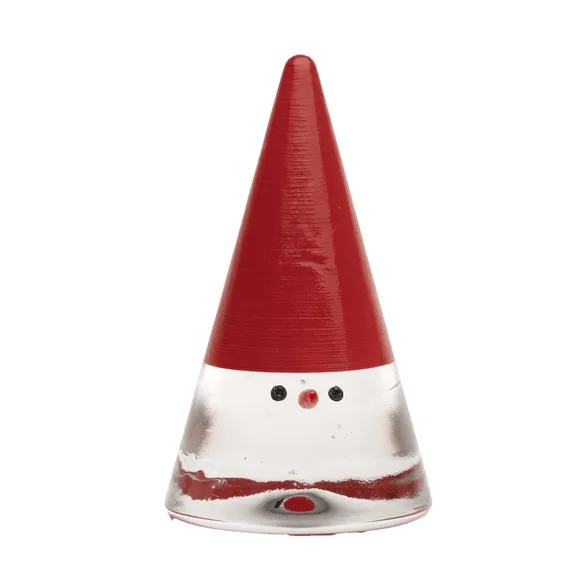
The Swedish glassworks version of the gnome does away with arms, legs and expression and leaves a cone. The Kosta Boda Noel gnome is 15 centimetres of clear and red glass: a scarlet hood over a nose and two dots of eyes, with the glass below left clear so the figure seems to float. It has real weight in the hand, and it is the one piece here that works in afternoon sun as well as by candlelight.
⸻
This is the pared-back Danish reading of the same character. The OYOY Santa Claus wooden figure is turned from beech and oak, a pale rounded body under a dark conical cap, with a thin leather strap for a belt and two small arms held out. There is no paint on the grain and no face beyond the suggestion of one, which is why it survives being carried round the house by a four-year-old, and why it can sit on the table through dinner.

⸻
Hoptimist figures are built on a steel spring, so a passing hand sets the head nodding for a good ten seconds afterwards. This one wears the black bearskin and red tunic of the Danish royal guard over a body of raw oak, with the blue trousers and the rest left as a few clean bands of colour. The Hoptimist Guardsman Bumble is the small size, which is desk and bookshelf scale. It is Christmas-adjacent rather than Christmas-only, and it tends to stay out in January.

⸻
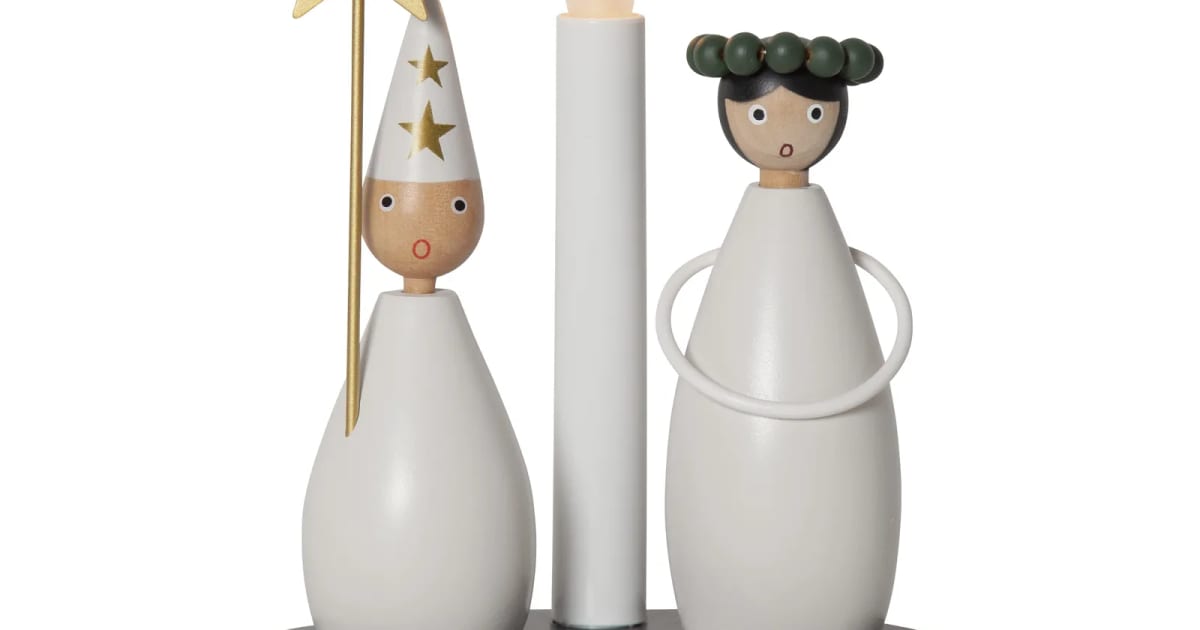
Beside Lucia in the procession walks the star boy, in a tall pointed hat, carrying a star on a stick. The Star Trading Christmas Joy candlestick puts both of them on a round black base with a holder for one slim candle between them, the figures turned in pale wood and painted in three colours at most. Lit, it throws two small shadows up the wall. Stand it on a hall table where people pass it in the dark.

⸻
The angel chime is a fixture of Swedish Christmas and a small physics lesson. Four candles heat the air, the air rises through a brass fan, the fan turns a spindle and the angels hanging from it swing past two bells and strike them, slowly, for as long as the candles burn. The Dala Industrier angel chime is the original brass version, with a star at the top. It is also, by a distance, the least expensive thing on this list.

⸻
A figure you are not obliged to burn. The Broste Copenhagen angel sculpture candle is 14 centimetres of moulded wax in a dusty peach rose, a simple robed shape with the wings folded flat against the back and a wick at the crown of the head. Most people keep them unlit for a season, grouped on a tray, and light them at the end. The soft colour is the point: it reads as warm against white porcelain and pale wood.

⸻
Proof that the Nordic shelf has a dry sense of humour. The DBKD snowman is three stacked spheres of grey speckled stoneware, 16.5 centimetres tall, with two bent wire twigs for arms and no face at all. The speckling in the clay does the work a carrot nose and coal eyes would otherwise do, and the matte grey sits happily next to brass and oak. Buy it for the windowsill rather than the mantelpiece: the outline is what you want against the glass.

⸻
Every shelf needs one piece with height, or the whole arrangement reads as clutter. The Lene Bjerre Serafina nutcracker is 32 centimetres of carved soldier in a light antique gold, the uniform and the beard picked out in relief rather than paint, so the whole figure stays one colour. Stand it behind the smaller porcelain and glass pieces and it gives the shelf a horizon; on its own by a door it does the job of a small sculpture.

⸻
The temptation in November is to fill every surface at once, and figures are the easiest way to do it: small, cheap at the lower end, a hundred of them in every shop. The homes where this looks right are the ones that resisted. Three or four characters on a shelf, with space around them, carry more of December than twenty crowded onto a sideboard.
Buy for the long version instead. A porcelain tomte or a glass gnome outlives the season it was bought for, and the box that comes down next November is better for one more good thing in it and nothing bought to fill a gap. When you have settled on a piece, compare it across the Nordic shops on ScandiDeals; the same figure moves in price between now and Advent, and between one country and the next.
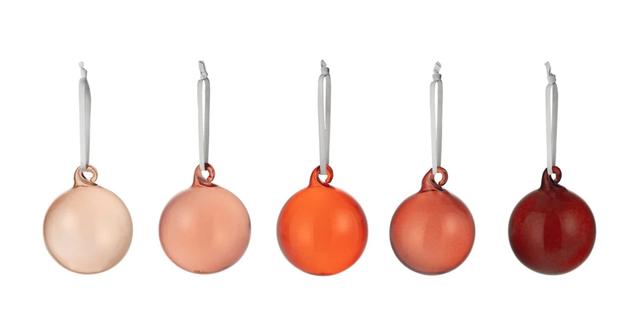
The tree comes in last of all, but the box is packed now. Ten Nordic ornaments in glass, wood, porcelain, brass and folded paper.
Read More →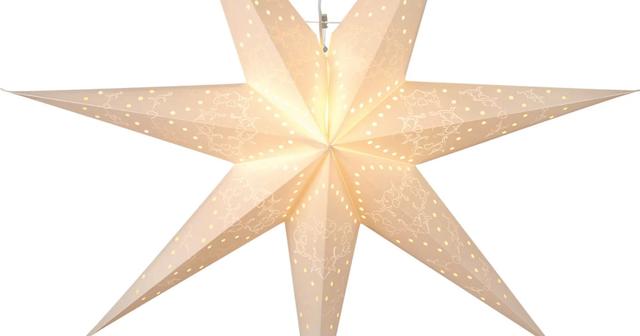
First Advent falls on 29 November. Ten Nordic stars for the window, from folded paper rosettes to woven fibre and a spare metal outline.
Read More →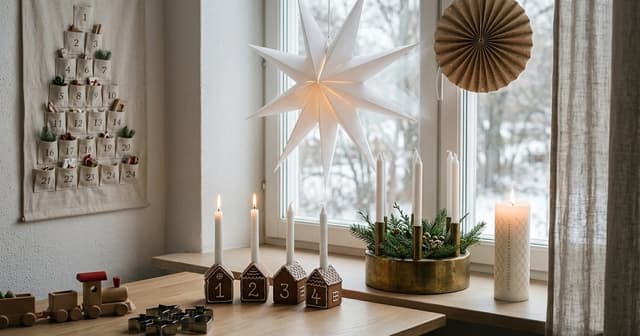
Advent is its own season in the North: a calendar, four candles, a star in the window and Lucia on 13 December. Ten pieces for the countdown.
Read More →