
The Nordic Reading Corner: 10 Pieces for Long Evenings
One chair, one light aimed at the page and enough wool within reach. Ten Nordic pieces that turn a corner of the room into the best seat in the house.
Read More →October is when the floor goes cold first. Ten Nordic mats, rugs, a sheepskin and a pouf for the route from the front door to the sofa.
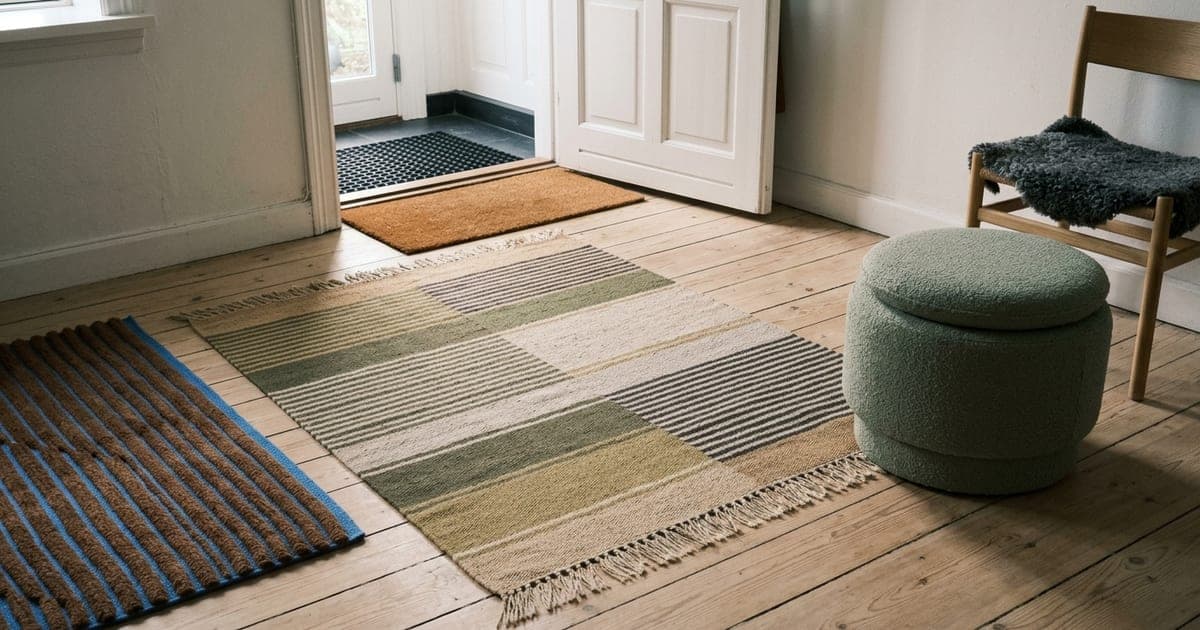
The floor goes cold before anything else in the house. Walls hold their heat for a while and the air near the ceiling stays comfortable, but by the middle of October the boards are several degrees below the rest of the room, and the place feels colder than the thermometer says. Turning the heating up does not fix it. Textiles do, laid where feet actually land: inside the door, down the hall, beside the bed, in front of the sofa.
There is a second reason to sort the floor out now, and it is dirt. From this month on, the route from the street carries water, grit, leaves and, soon enough, salt. A house with nothing at the door spreads all of that across every room by November. The ten pieces below cover both jobs, from a rubber mat on the step to a wool-soft pouf for your feet. All are in stock in the UK, Germany, Norway and Denmark, and every one can be compared on price on ScandiDeals.
⸻
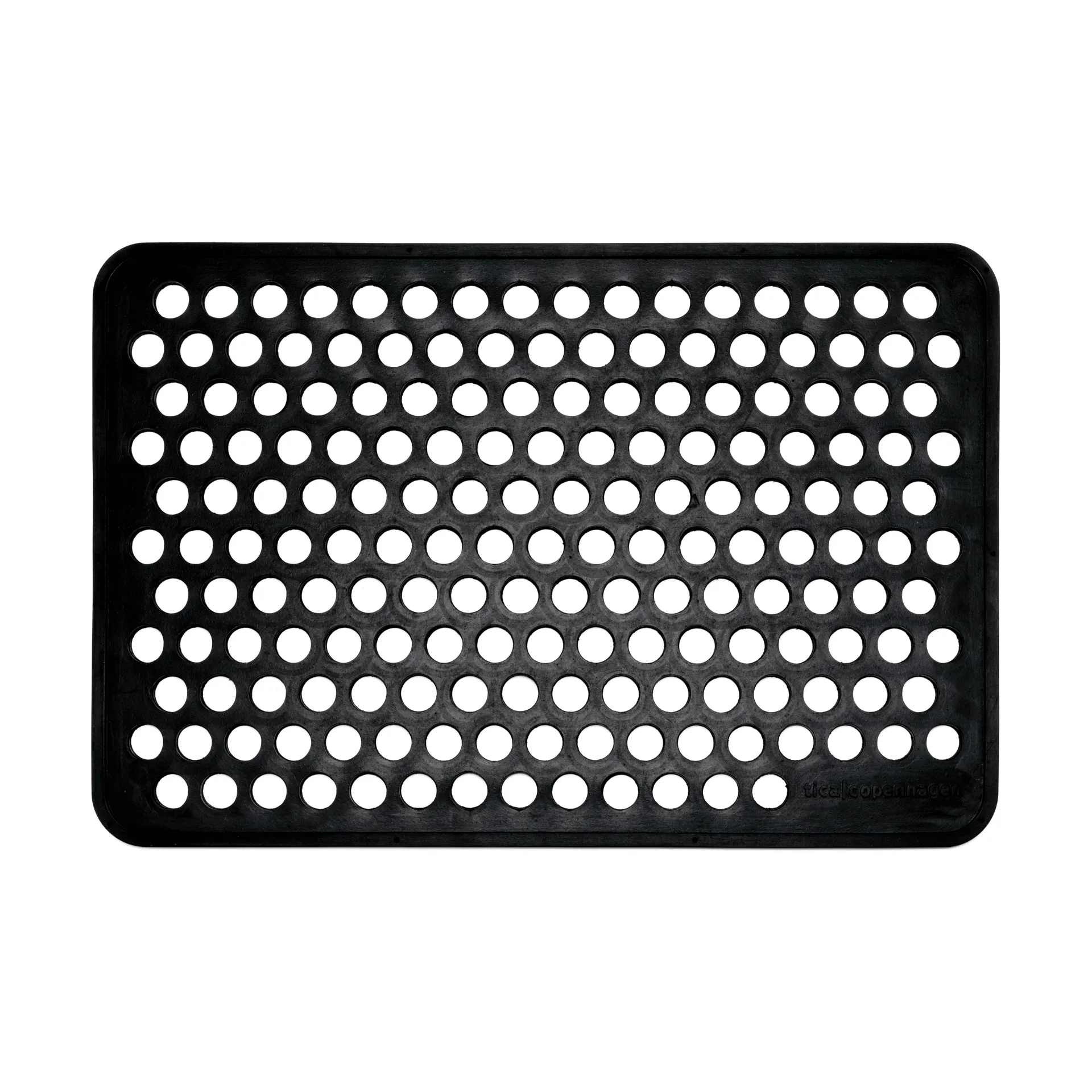
Forty by sixty centimetres of solid black rubber, pierced edge to edge with a grid of round holes. What comes off a boot — water, grit, half a wet leaf — drops straight through and stays on the step rather than travelling indoors. The Dot mat is heavy enough not to move in wind, shrugs off rain, and cleans with a hose in about ten seconds. This is the one that lives outside and takes the worst of the season.
⸻
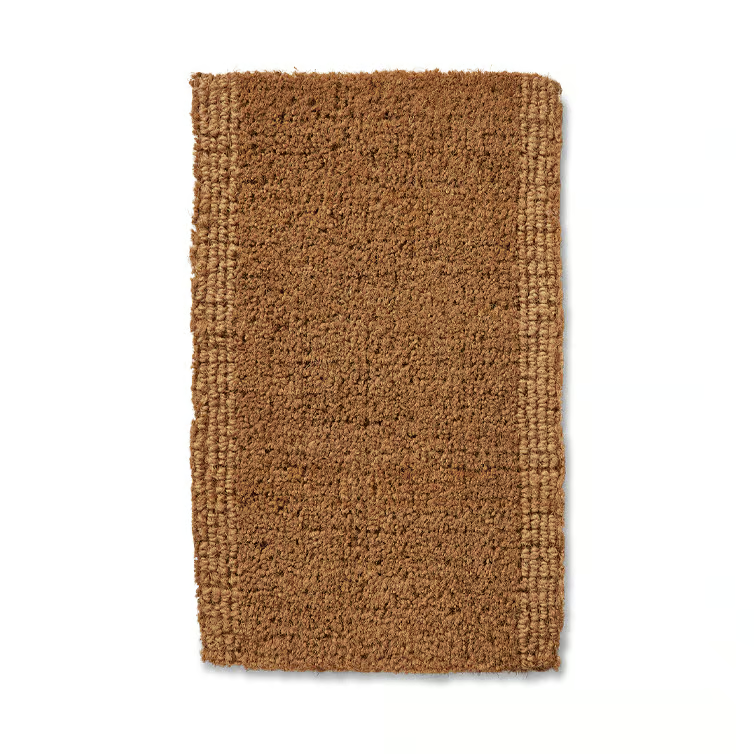
Coir is coconut husk fibre, stiff and slightly springy, and it does the job rubber cannot: it scrapes. This mat is a dense bed of it, fifty by seventy centimetres, finished with a woven border on all four sides and left its own pale brown. Put it just inside the threshold, after the wet has been dealt with outside, and it will hold the dry dust that boots still carry. Shake it out over the step once a week.
⸻
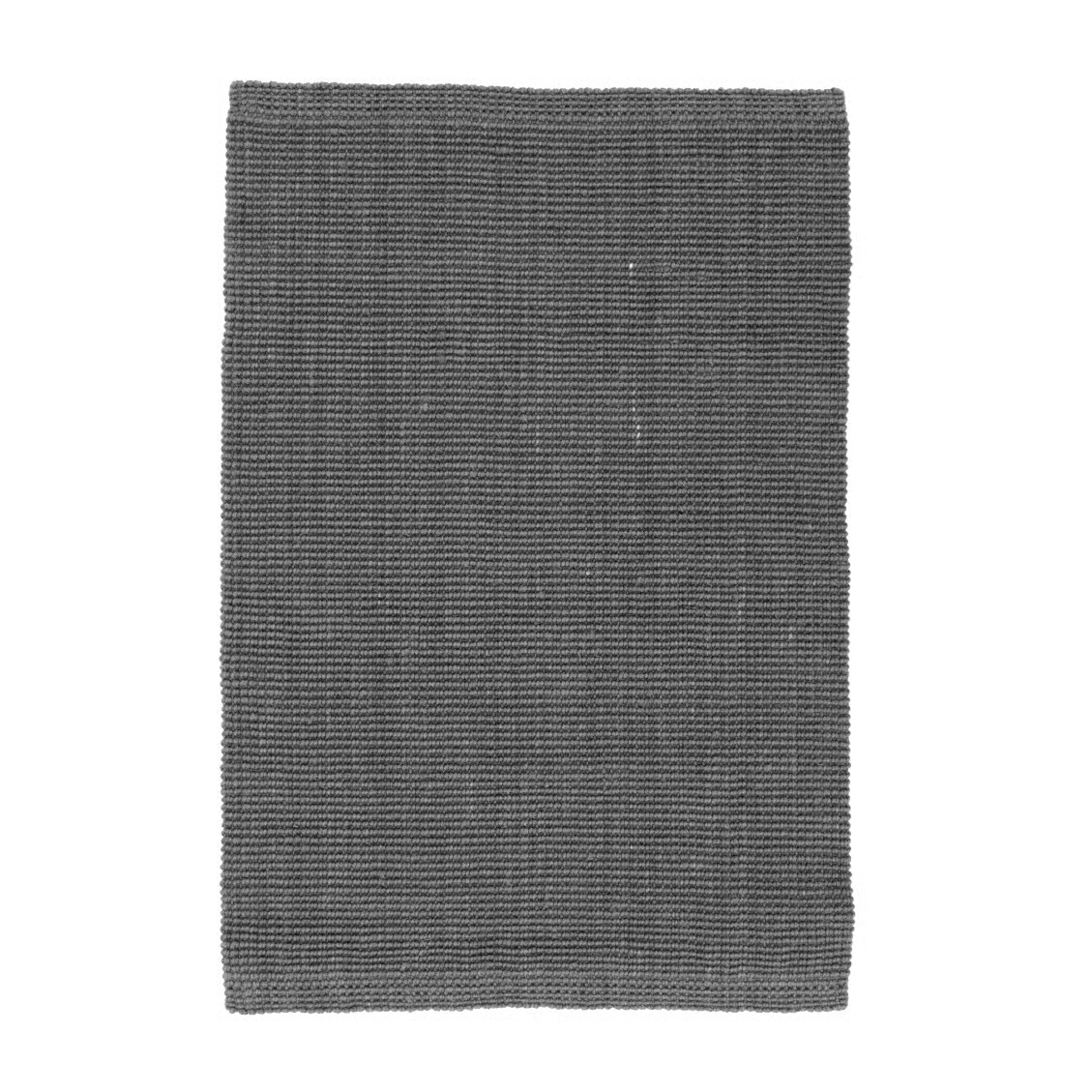
Jute woven into fine ribbed cords and dyed a deep slate grey, sixty by ninety centimetres: not quite a doormat, not really a rug, and useful exactly because of that. Fiona is the piece for the metre of floor past the coat hooks, or in front of the kitchen sink where you stand peeling things for an hour. The colour hides a winter of traffic, and the weave is flat enough that a door passes over it.
⸻
Nordic corridors are long and narrow, and most rugs are the wrong shape for them. Särö is eighty centimetres by two metres thirty, a flat, closely woven runner in the grey its maker calls concrete, with a cream fringe knotted at each short end. It softens the sound of a hallway as much as the temperature of it, which matters in a flat where someone always comes home after you have gone to bed.

⸻
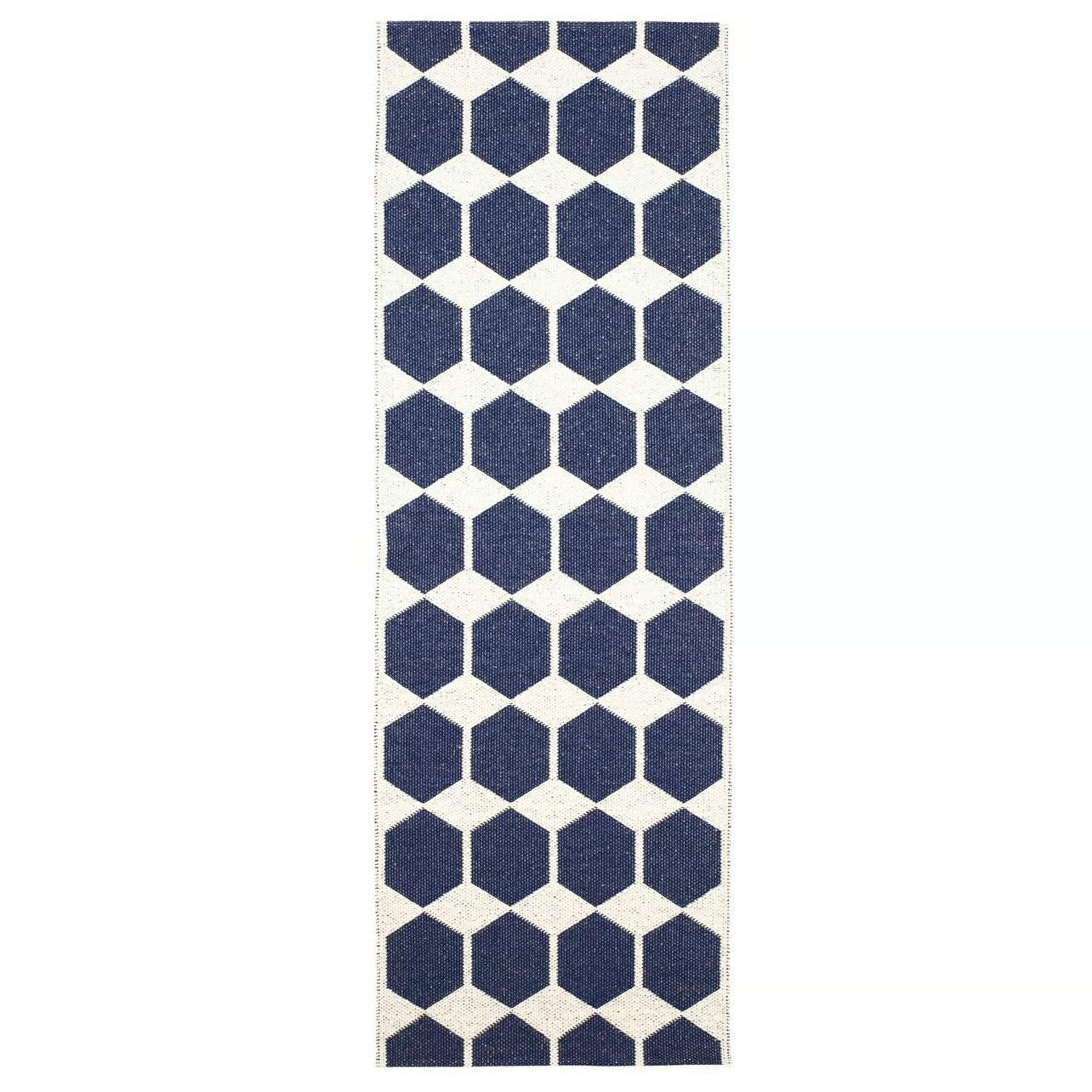
Seventy by a hundred centimetres, woven tight and flat, with dark blue hexagons sitting in rows across an off-white ground. The pattern is geometric without being severe, and at that size Anna goes exactly where the first step of the morning happens: along one side of a bed, so bare feet meet wool-coloured weave instead of a cold plank. Light enough to lift and shake out whenever the room is being tidied.
⸻
Round rugs are useful where square ones look stranded: under a small table, in the corner a chair sits in, in a child's room where the furniture never quite lines up. Ella is a hundred and twenty-five centimetres across, built from braided cord coiled outwards from the centre in a pale natural beige flecked with white. It reads as texture rather than pattern, which is why it sits quietly under almost anything.

⸻
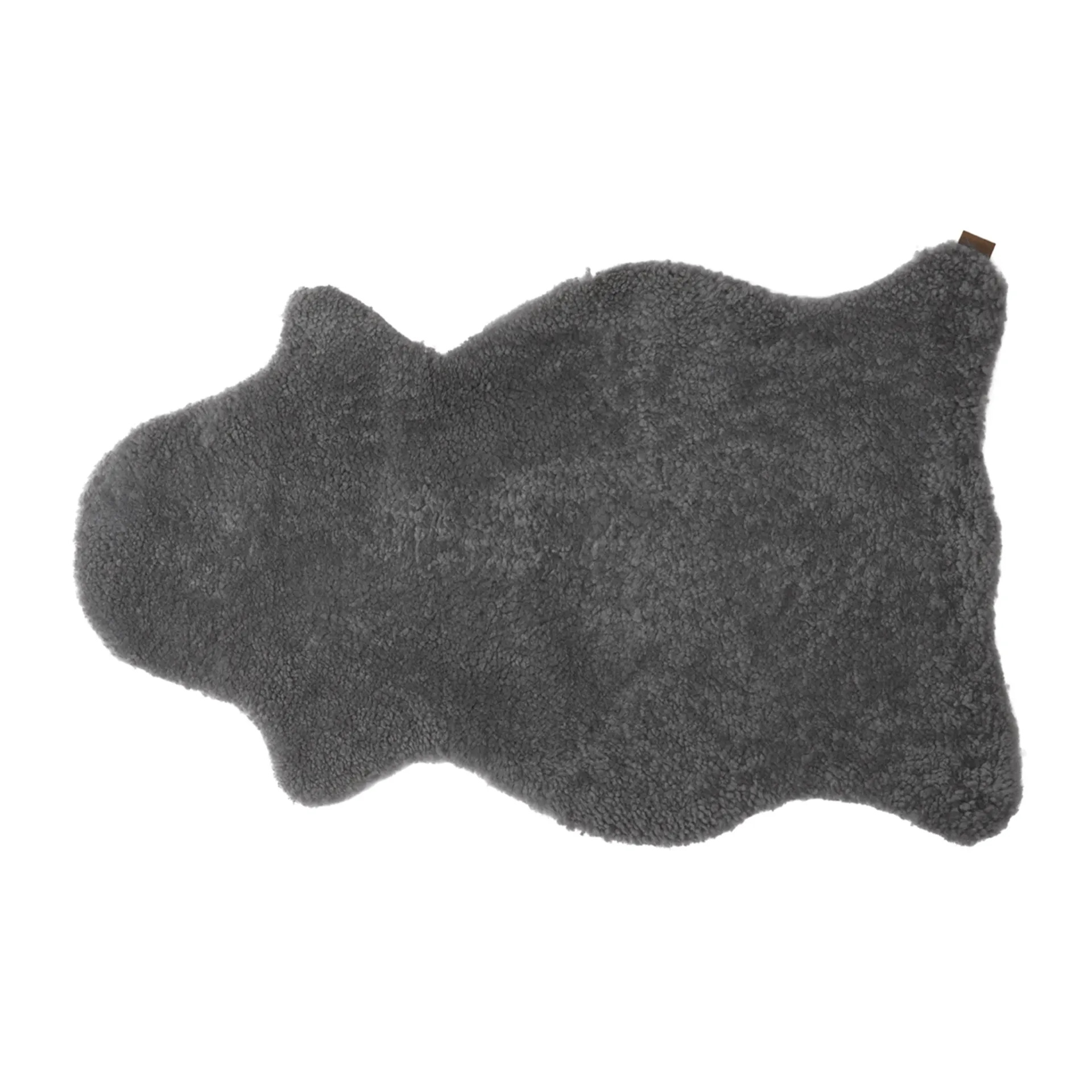
A single sheepskin, dyed a dark granite grey, with the fleece cropped short so the curl is tight and springy rather than shaggy. This one earns its place because it moves: over the seat of a hard dining chair in the afternoon, along a hall bench in the evening, on the floor by the bed when the mornings get serious. Wool handles cold better than almost anything and warms to body temperature in moments.
⸻
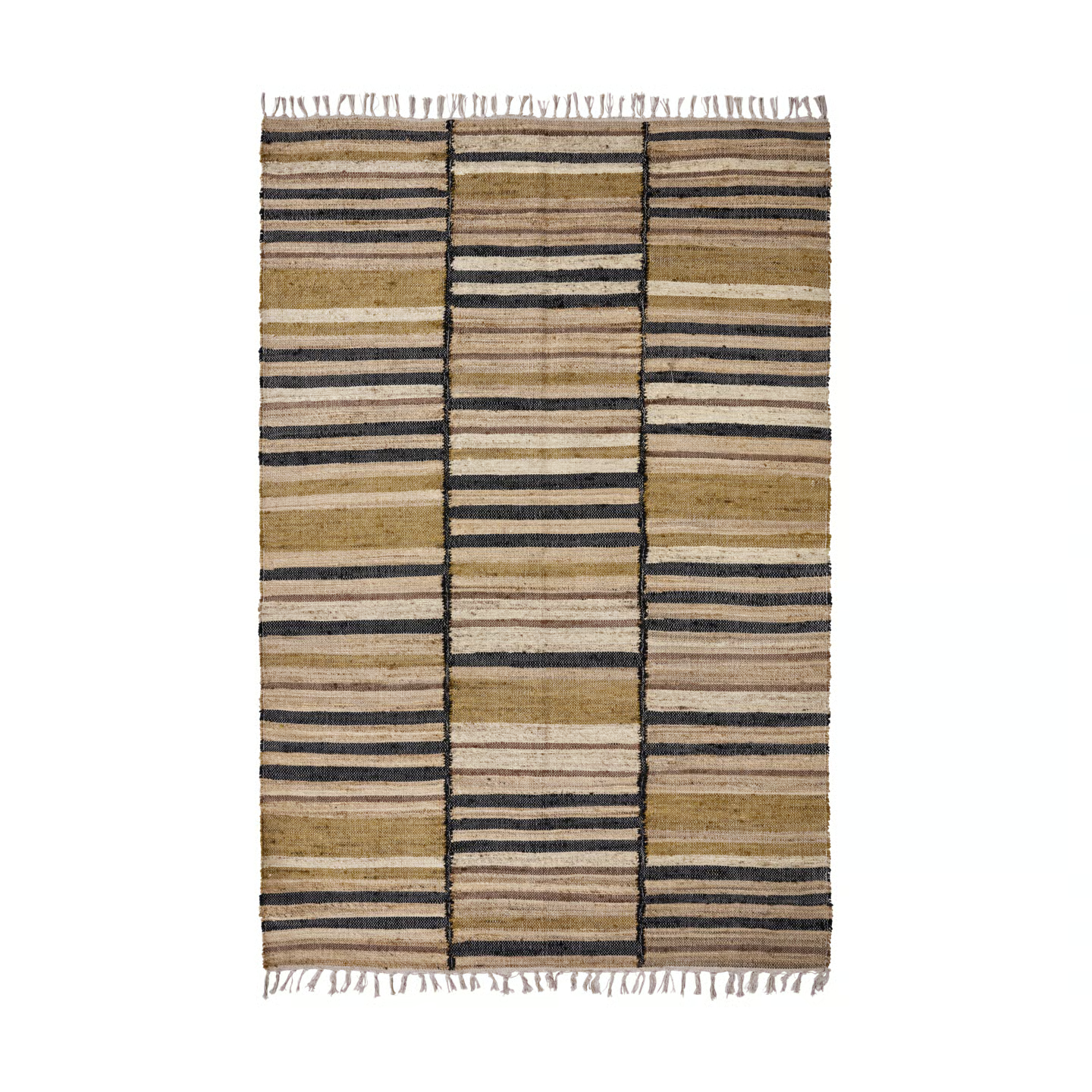
A hundred and sixty by two hundred and thirty centimetres, flat woven and fringed at both ends, the surface divided into three tall panels of horizontal stripes: sand, olive, oatmeal and charcoal, in bands of different widths that never repeat exactly. Listra is busy enough to disguise a winter of crumbs and quiet enough to live under a sofa for a decade. The colours belong to the season outside the window.
⸻
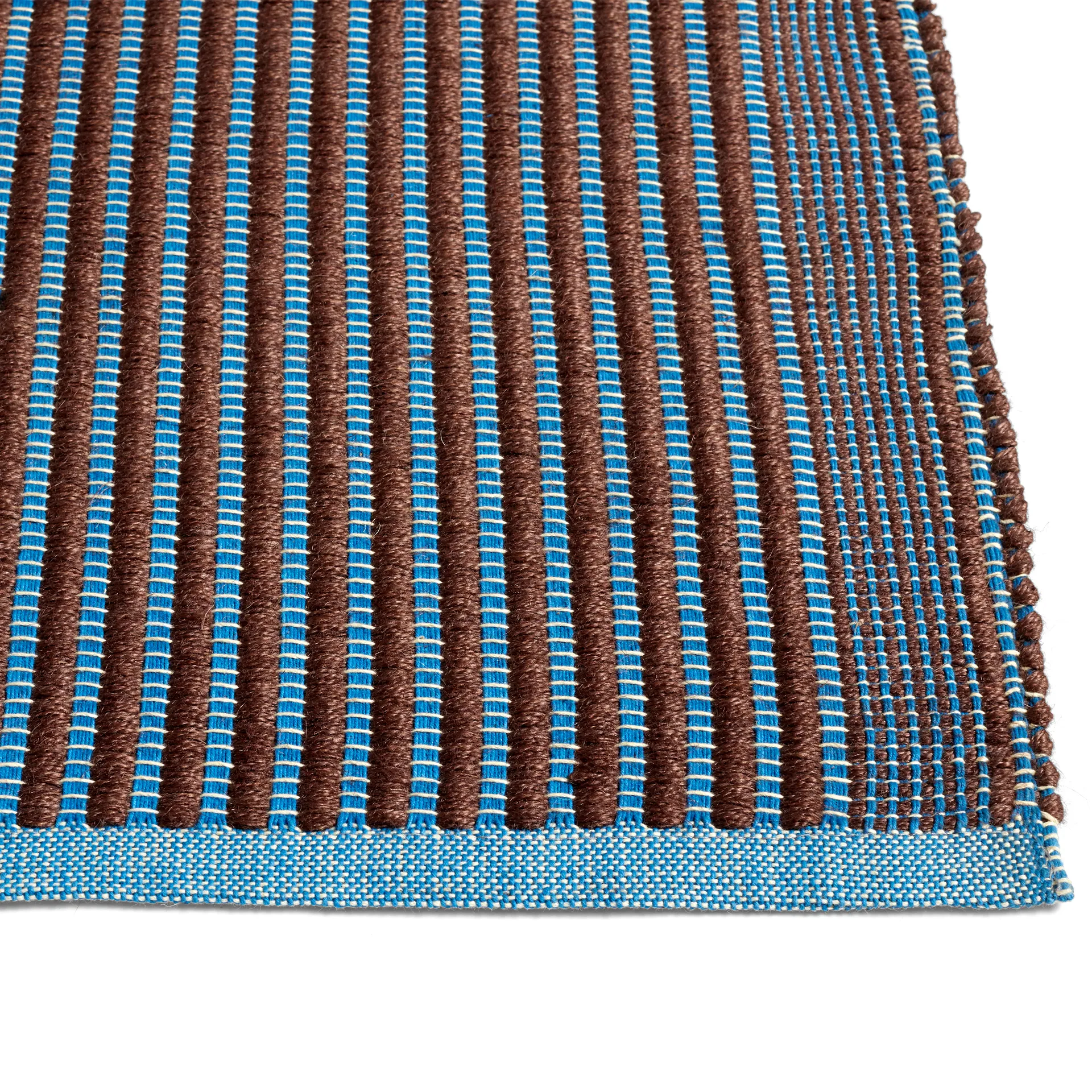
Most Nordic floors in winter are a study in grey and oatmeal, and one rug is allowed to argue with that. Tapis is ribbed rather than pile: chestnut-brown cords run across a bright blue ground, caught every few millimetres by a cream binding thread, with a woven band finishing each edge. At 170 by 240 centimetres it takes a sofa and a low table. The blue only shows itself up close, which is the pleasure of it.
⸻
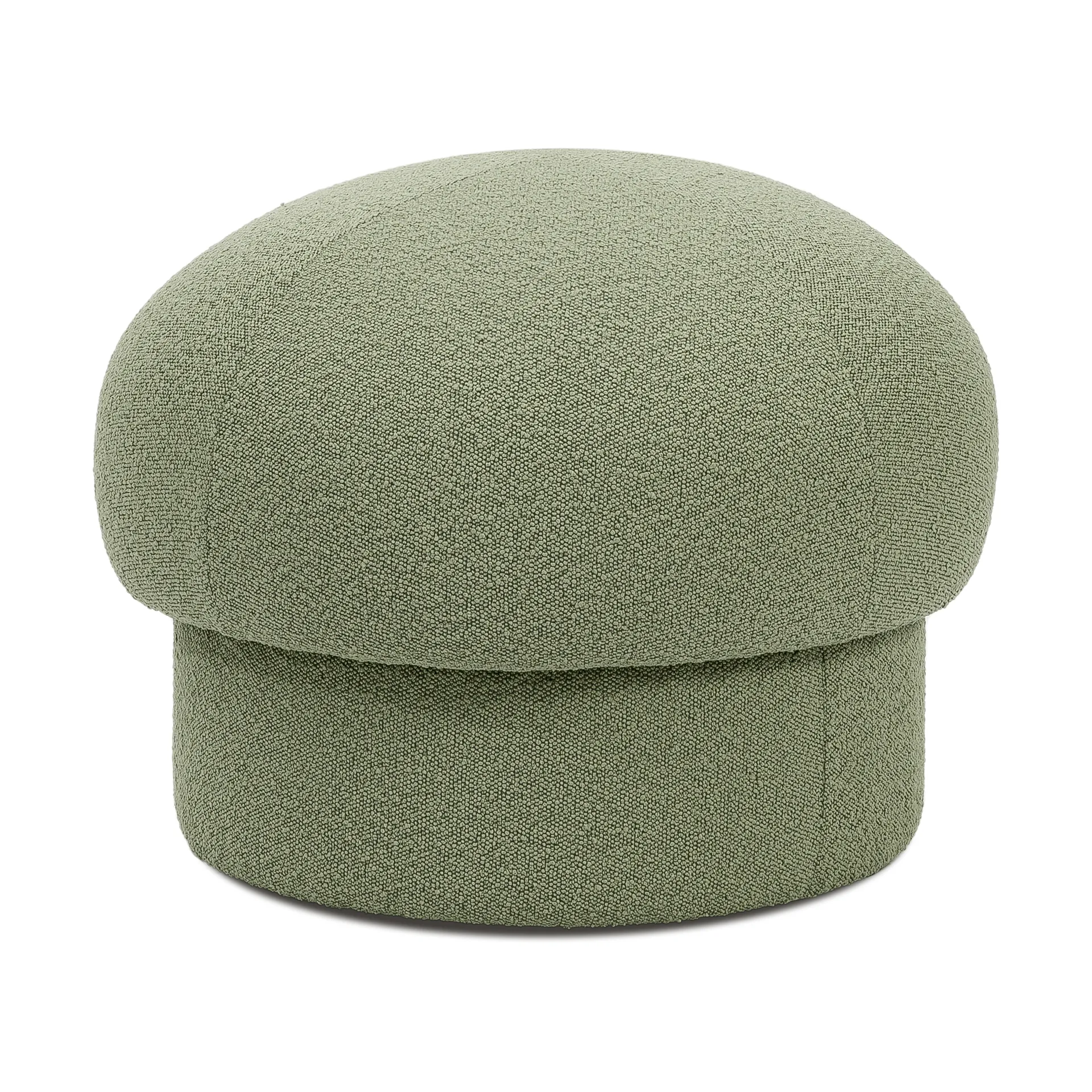
Sixty-five centimetres across, upholstered in a sage-green bouclé with a rounded cushion top overhanging a straight cylindrical base, so it reads as two simple shapes stacked. Uno is a footrest first, which is the point of it in October: feet lifted off a cold floor and onto something soft. It is also the seat that appears when a fifth person arrives, and it pushes under a console table out of the way.
⸻
A warm floor in a Nordic house is not one big rug. It is a sequence: something at the door that stops the weather, something small where you stand, something large where you sit, and wool within reach of bare feet. Buy it in that order and each piece does one job properly. Buy the big rug first and you spend the winter cleaning it.
The pieces here are made to be lifted, shaken, hosed down or simply walked on for years, which is the only sensible standard for anything that lives on the floor. Sizes and colours differ between the shops, and so do the prices — compare them across the Nordic retailers on ScandiDeals before you decide which one goes where.
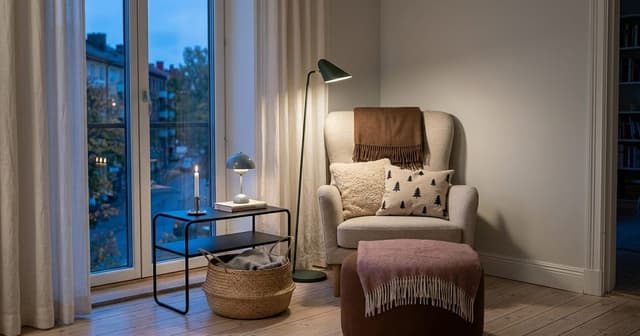
One chair, one light aimed at the page and enough wool within reach. Ten Nordic pieces that turn a corner of the room into the best seat in the house.
Read More →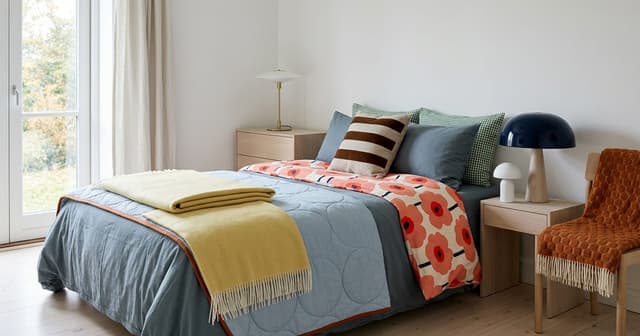
October is when the Nordic bedroom changes shift: heavier layers, warmer wool, smaller pools of light. Ten pieces for the months when mornings start in the dark.
Read More →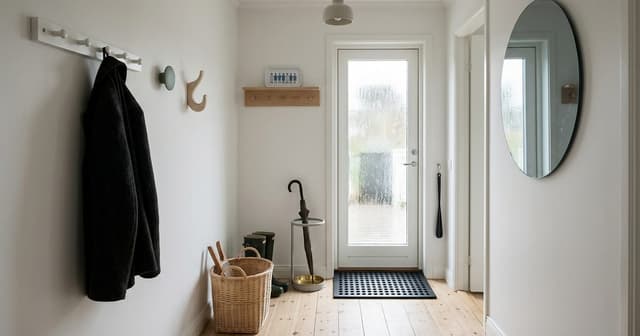
The hallway takes the worst of autumn and gets the least thought. Ten Nordic pieces, from a perforated rubber mat to hooks in ash and oak, that make it work.
Read More →