
Carried In: 10 Nordic Trays for the Season of Visitors
From the middle of November the door keeps opening. A tray is the one object that turns a kitchen worktop into something you can carry to a room full of people.
Read More →Nordic dining chairs are drawn for posture, not for a four-hour December meal. Ten pads, cushions and sheepskins that let everyone stay at the table.
The Nordic dining chair is an admirable object and a demanding one. Bent plywood, pressed steel, woven paper cord: the good ones are thin, light and drawn around a posture. They are also, for the most part, hard. Three meals a day, that is no hardship. For the season that starts now, when dinner is served at six and the table is still full at ten, it is the reason people drift towards the sofa before the coffee arrives.
The fix is not a new chair. It is a pad: a flat piece of leather, wool or sheepskin that takes the edge off the seat without hiding what the chair is. Done well it is invisible from across the room and obvious the moment you sit down. The ten below are in stock in the UK, Germany, Norway and Denmark, and every one of them can be compared across the shops on ScandiDeals.
⸻
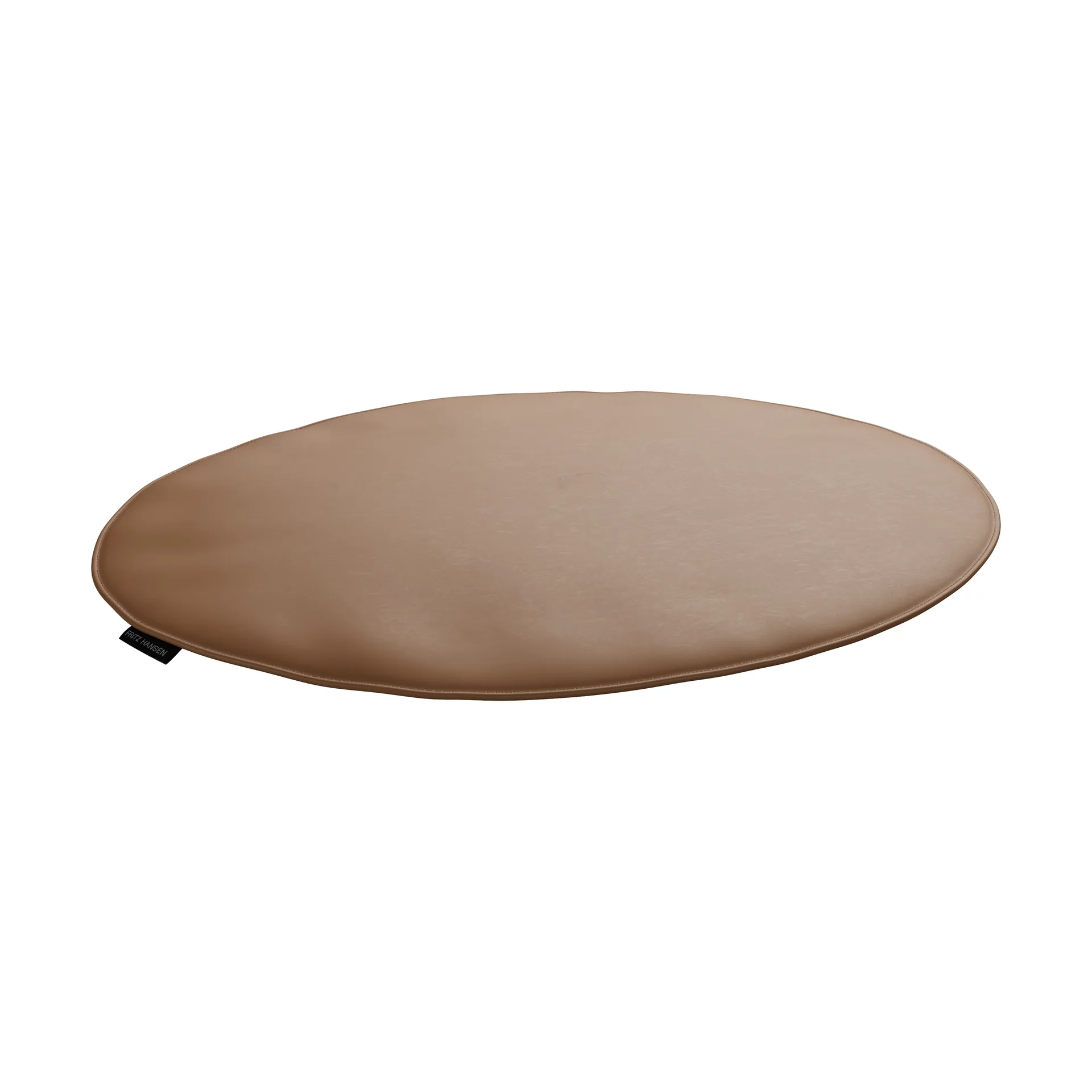
Arne Jacobsen's Series 7 is a single sheet of moulded veneer, and its comfort comes almost entirely from how that sheet bends. Pile a thick cushion on top and you sit above the chair instead of in it. The Fritz Hansen Series 7 chair pad is the opposite of thick: a slim walnut-brown oval cut to the outline of the seat, held by its own weight and a little friction. The leather warms through in a few minutes and then stays warm.
⸻
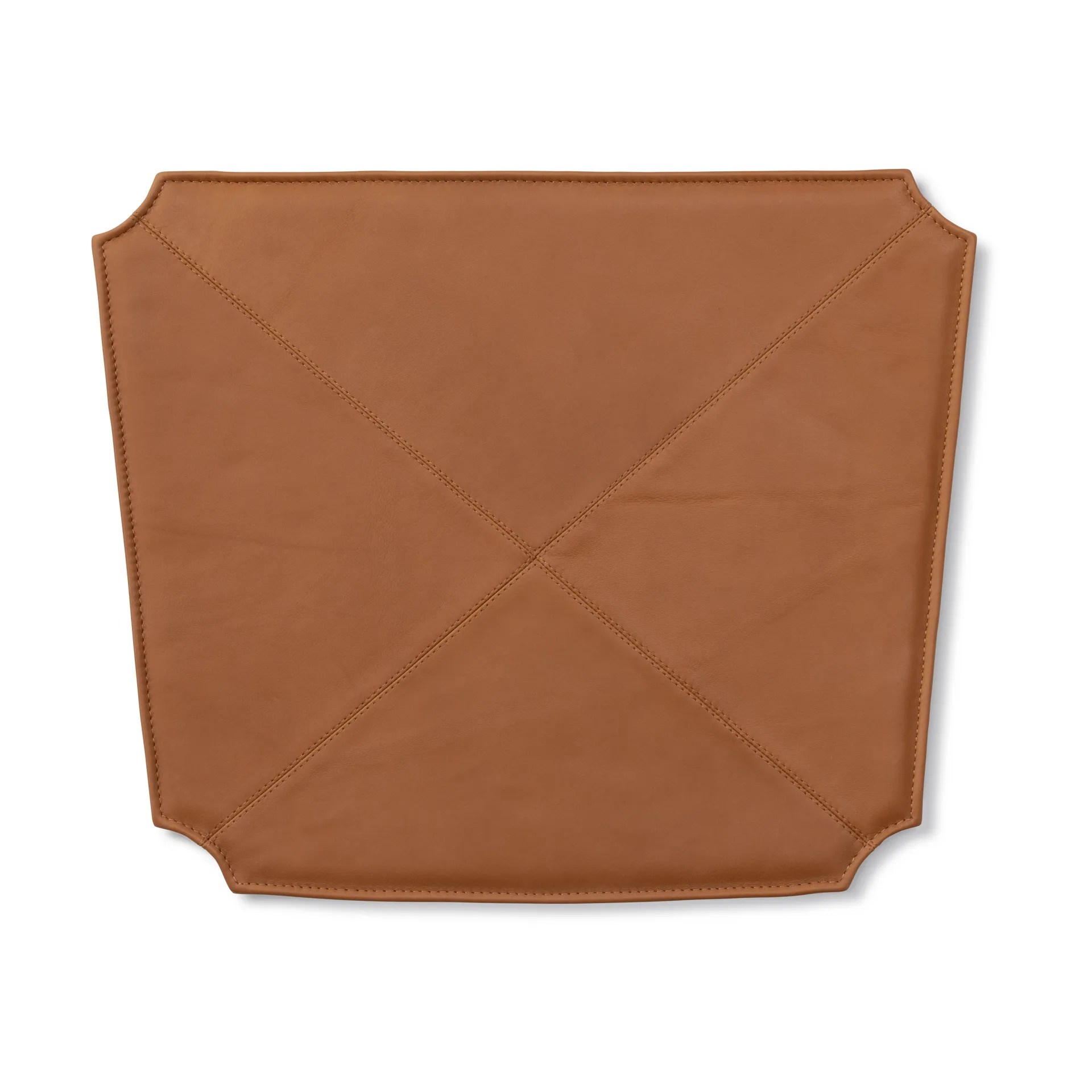
Børge Mogensen's J39 wears a woven paper-cord seat that is handsome, hard-wearing and, after an hour, quietly printed into whoever is sitting on it. The Fredericia J39 leather seat cushion is cut for that chair: a panel of russet-brown leather notched at the corners to clear the uprights, with a cross of stitching running corner to corner to hold it flat. It spreads the load across the cord rather than pressing into it.
⸻
The Form chair is a moulded shell on slim legs, and like most shells it is friendlier to a quick lunch than to a long dinner. The Normann Copenhagen Form seat cushion is shaped to that seat and covered in a soft brandy brown that wipes clean, which matters at a table where gravy travels. It is slim enough to leave the silhouette alone and keep a stack of chairs stackable.

⸻
Not every dining chair has a cushion made for it. The Design House Stockholm Wick seat pad is the general answer: a rounded square of grained black leather with a neat stitched edge, sized to sit on most seats without overhanging. Black is the practical choice. It disappears under the lip of the table, hides the marks left where hands grip the seat, and suits a painted chair as readily as an oak one.

⸻
Steel chairs have one consistent failing: nothing stays on them. A pad laid on a powder-coated seat in the morning is on the floor by lunch. The Muuto Linear Steel Armchair seat cushion deals with that by means of two cord ties at the back corners. The cover is a grey-beige twill, quilted in soft channels and piped at the edge, and it is slim rather than plump, which keeps the seat at the height the table expects.

⸻
Klippan Yllefabrik has been weaving wool in southern Sweden since 1879, and the Sankt Petri seat pad is the plainest piece here: a 43 by 43 centimetre square of wool, off-white under a grey grid, finished with a blanket stitch in rust. There is no filling at all. It offers warmth rather than height, which is what a cold wooden chair in a tall old flat actually needs.

⸻
The Designers Eye DOT seat pad is a plain round disc of dense red cloth, overlocked in the same red, with nothing printed on it. On a pale wooden stool or a bentwood chair it works like a full stop: the single piece of strong colour at a table that is otherwise grey, white and wood. Being round, it never has to line up with anything, so it forgives a seat that is not quite square.

⸻
Some people want a pad; some want a cushion. The ERNST seat cushion is the second kind: a generously filled square in a close weave, tufted through at a handful of points so the filling stays where it belongs, with a flat piped edge all round. The colour is listed as sage and reads deeper on the table, closer to olive, which is a good neighbour for pine, brass and candlelight.

⸻
Sheepskin on a dining chair divides opinion until the first person sits on one. The Shepherd of Sweden Judith chair cushion is a padded cushion in short-curled sheepskin, 34 by 36 centimetres, rounded at the front and straight across the back so it fits inside the seat. Wool manages what foam cannot: it holds warmth without becoming hot, so two hours in a cool dining room stay comfortable.

⸻
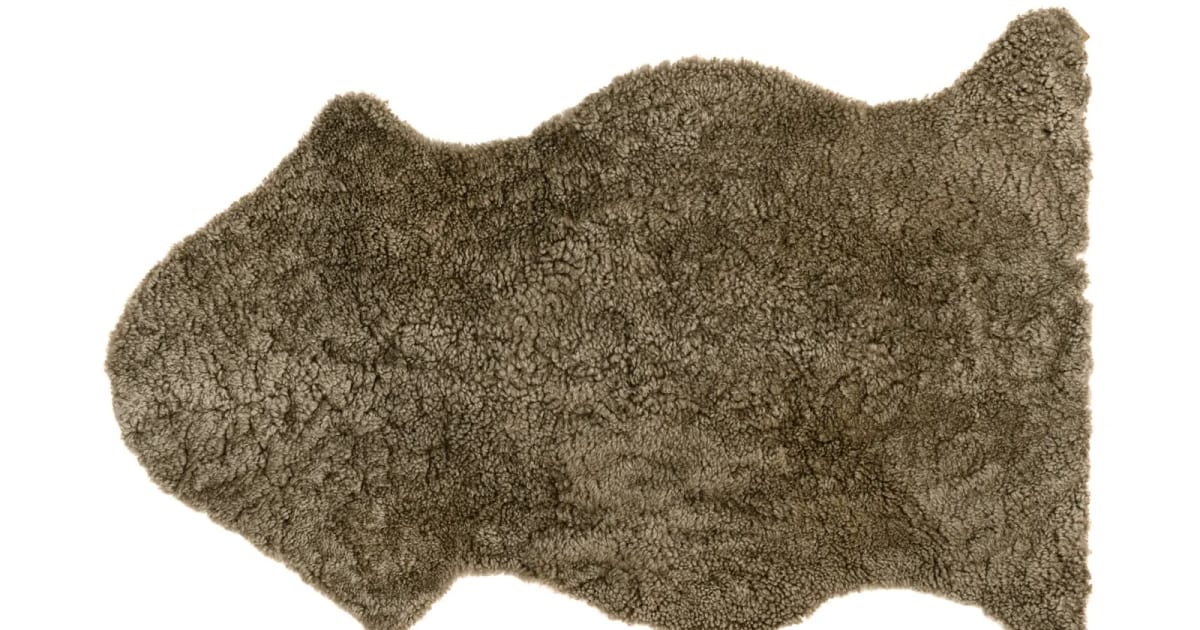
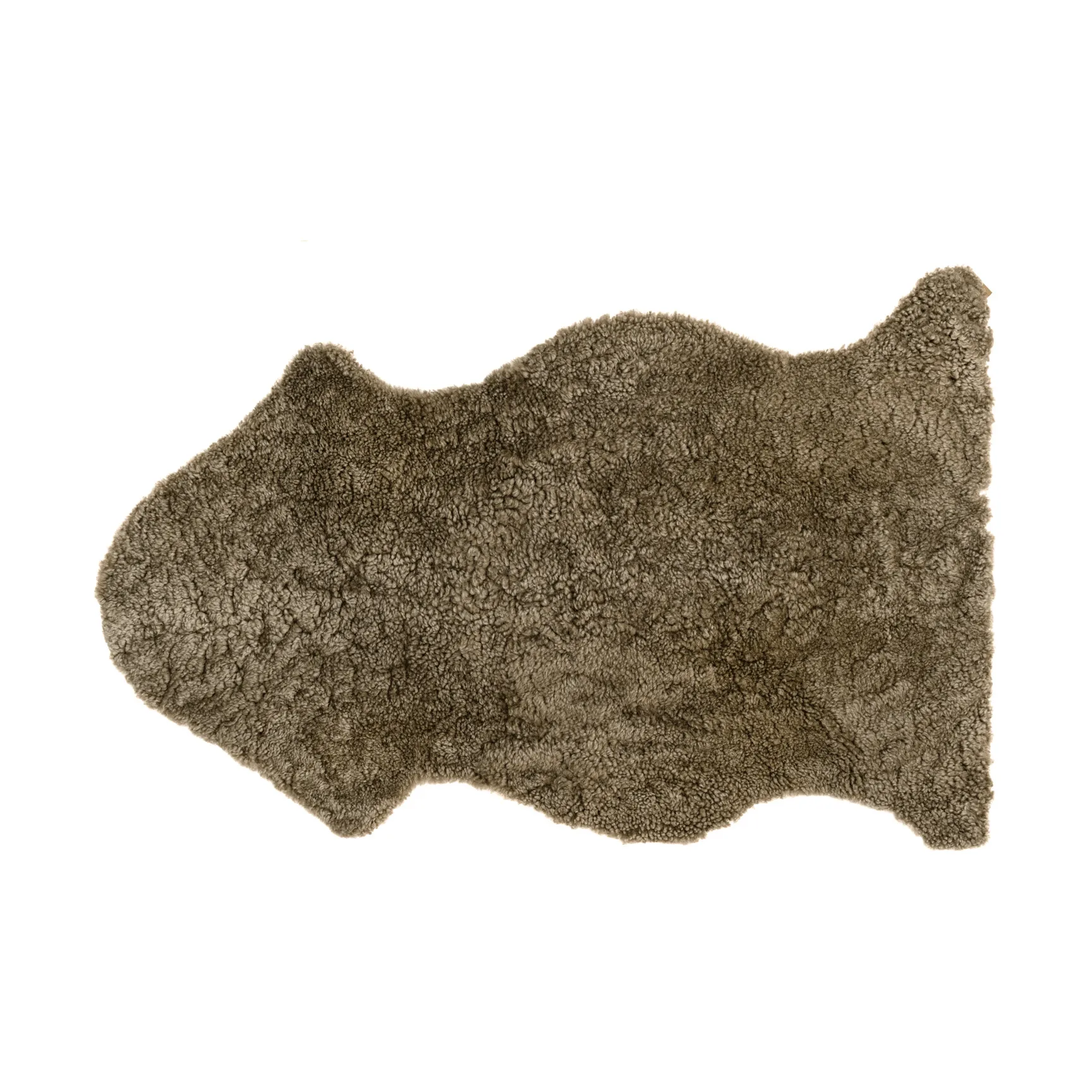
The last one is not cut to a seat at all. The Shepherd of Sweden Ella sheepskin is a whole skin in a soft olive-taupe, left in its natural outline, with a short dense curl rather than a long shaggy pile. Lay it over the carver at the head of the table, or along the bench on the window side that nobody volunteers for. It turns the worst seat in the room into the one people choose.
⸻
None of this is an upgrade in the usual sense. A seat pad does not improve a good chair; it borrows it for the season and gives it back in April. That is also the argument for the right one rather than the cheap one. A pad cut to the shell of the chair you already own will still be on that chair in ten years, while a generic square of foam is in a cupboard by February. Leather and wool both age in the right direction.
Start with the seats that are occupied for hours rather than with a matched set of ten: the head of the table, the bench, the chair nearest the kitchen door. Those are the ones that decide whether people stay. Prices move between the Nordic shops and differ by region, so it is worth comparing all ten on ScandiDeals before the first long dinner of the season.
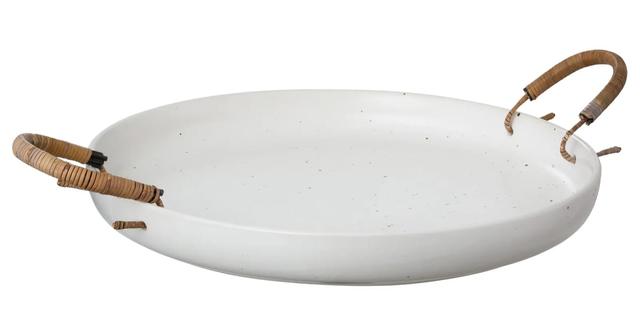
From the middle of November the door keeps opening. A tray is the one object that turns a kitchen worktop into something you can carry to a room full of people.
Read More →
In November the low table in front of the sofa does more work than any other surface in the house. Ten Nordic pieces for it, and for what lands on it.
Read More →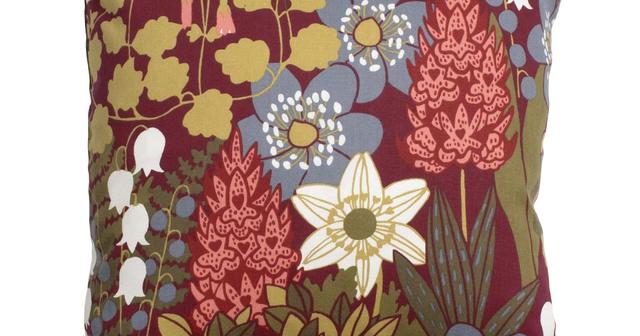
Nobody buys a sofa in November. Changing the covers costs a fraction of it and changes the room by this evening. Ten Nordic cushion covers for the dark months.
Read More →