
In Front of the Sofa: 10 Nordic Pieces for the Coffee Table
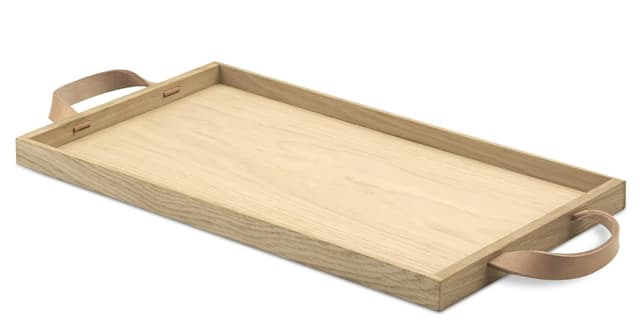
In November the low table in front of the sofa does more work than any other surface in the house. Ten Nordic pieces for it, and for what lands on it.
Read More →Nobody buys a sofa in November. Changing the covers costs a fraction of it and changes the room by this evening. Ten Nordic cushion covers for the dark months.
Nobody buys a sofa in November. The money has gone on December, the daylight is gone by four, and the room you are sitting in is the room you will be sitting in until March. What is left to change is the top layer. A cushion cover costs less than dinner out, arrives in an envelope, and changes the colour of an evening, which is why Nordic households own more of them than they admit to and swap them twice a year.
The trick is to buy covers rather than whole cushions. Keep four or five inner pads in the standard sizes and the sofa becomes a wardrobe: summer stripes away in October, wool and dark red out until Easter. Here are ten covers from Nordic makers, in printed cotton, half-linen, wool and tufted relief, all in stock in the UK, Germany, Norway and Denmark and all worth comparing across the shops on ScandiDeals before you order.
⸻
Start with colour and skip pattern altogether. The HAY Linen cushion cover in iron red is a plain 50 by 50 square of linen in a deep oxidised red, nearer a rusted gate than a postbox. Linen creases, and the creasing is the point: a flat matt surface takes lamplight unevenly and reads as woven rather than printed. One of these in a grey or beige room does more than three patterned covers competing with each other.

⸻
Klippan Yllefabrik has been weaving wool in southern Sweden since 1879, and the Gotland cushion cover in multi-grey is the mill doing what it does best: a large uneven check in charcoal, stone, brown and cream, 45 by 45. Wool behaves differently from cotton on a sofa. It keeps its shape through an evening of being leaned on, it never goes cold to the touch, and the colours stay quiet under a lamp. Put it where somebody actually sits.

⸻
Unikko was drawn by Maija Isola in 1964 and has been on Finnish sofas ever since, usually at full volume. Piirto Unikko in beige is the quiet version: the same poppy left as an outline in soft apricot on an unbleached ground, and at 60 by 60 the largest cover here. Scale matters with a print this well known: one big square at the back of the sofa reads as a pattern, two small ones as a pattern repeated. Let it be the only print on that side.

⸻
Gran is Swedish for spruce, and the Swedish studio Fine Little Day has printed a small forest of them across the Gran cushion cover in sand: white trees, slightly naive in the drawing, on a warm grey-beige ground. It is the one cover here that is openly seasonal without being Christmas, so nothing has to come off again on 27 December. Best on an armchair, where a small repeating print has room to be read.

⸻
The Broste Copenhagen Sigrid cover in light beige and black is a 50 by 50 square of heavy off-white weave crossed by a few thin black lines, and that is the entire design. Danish rooms use a cover like this as punctuation: it breaks a row of plain covers without bringing in a second colour. The weave is open enough to show its texture from across the room, which is what keeps an all-neutral sofa from looking like a hotel lobby.

⸻
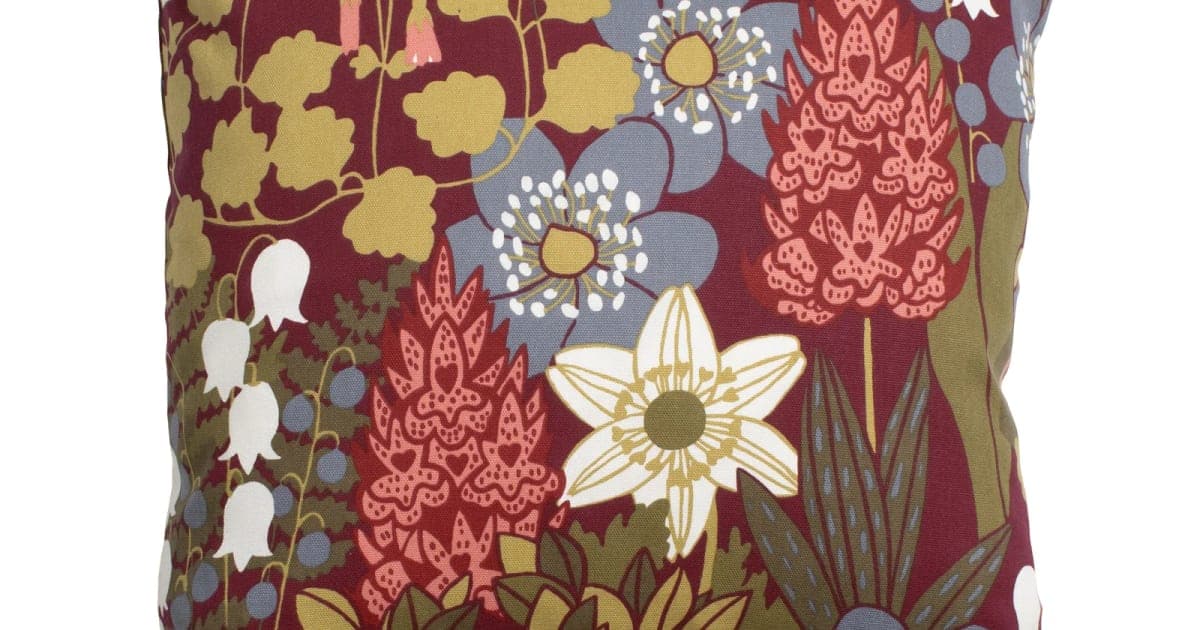
Skogen by Almedahls goes the other way: a dense print of woodland flowers and leaves in dusty pink, olive gold and blue-grey, packed edge to edge on a deep wine red. The Swedish textile house has a long back catalogue of prints like this, and they survive because they were drawn rather than styled. One is enough in a small room. Against plain wool or linen it reads as warmth, where two would start to look like a fabric sample.

⸻
Not every cover needs to say something. The Elvang Classic cover in light grey is plain pale grey with a brushed, slightly hazy surface, the sort of textile that photographs as nothing and turns out to be the best thing on the sofa. The Danish brand is better known for blankets, and this is a blanket's logic applied to a 50 by 50 square: softness first, colour a long way second. Make it the one you actually put your head on.

⸻
Rectangles are underused on a sofa. The Ferm Living Lattice cover in off-white and black is 40 by 60, a shape that sits in the small of your back rather than behind your shoulders, printed with an interlocking basket weave in black outline. At that size a graphic stays graphic instead of turning into wallpaper. Two squares and one rectangle is the arrangement that stops a three-seater looking like a showroom bench, and this is the rectangle.

⸻
The ERNST half-linen cover in caramel and natural is pieced rather than printed: a grey panel beside a caramel one, with a few fine pale lines running down the warm side. Half-linen, linen and cotton woven together, has linen's dry handle and cotton's willingness to go through the machine. The block of colour gives a plain sofa a direction, and it looks deliberate from the doorway.

⸻
Last, texture instead of colour. The Mette Ditmer Figura tufted cover in off-white carries its pattern in raised tufts, a few thick strokes of black and cream on a 40 by 60 rectangle, nearer a small rug than a printed cushion. In a dark room it is the one that still reads once the lamps are down to one, because relief holds a shadow long after colour has stopped doing anything. The Danish studio makes its bath and table textiles in the same restrained way.

⸻
Covers are the cheapest honest change a room gets. Nothing is thrown out, nothing arrives on a pallet, and the sofa you are stuck with until spring starts to look like a decision rather than an inheritance. Buy inner pads once in 45, 50 and 60 centimetres, plus one 40 by 60, and every autumn after that costs two or three covers and an evening of swapping them over.
Keep to two prints at most, hold one plain wool or linen in the group, and let the rectangle break the row. Wool, linen and heavy cotton all take a winter of being sat on and come out of the wash the same shape, which is the quiet argument for buying from the Nordic mills rather than the copies. Compare the prices across the shops on ScandiDeals before you order: the same covers move by a surprising margin between the UK, German, Norwegian and Danish stores.
In November the low table in front of the sofa does more work than any other surface in the house. Ten Nordic pieces for it, and for what lands on it.
Read More →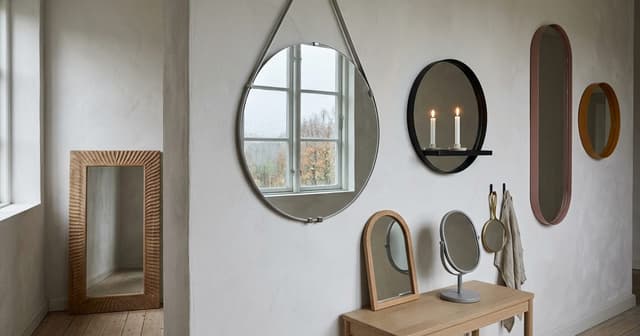
The clocks went back and the afternoon ends at four. Ten Nordic mirrors that borrow what daylight is left and hand it back to the room.
Read More →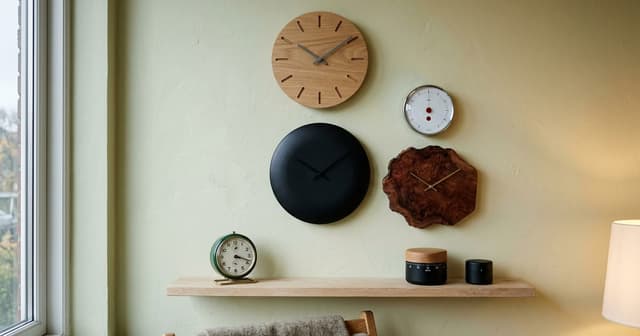
Summer time ends on Sunday and the afternoon goes dark for five months. Ten Nordic clocks, two timers and one hygrometer for the season indoors.
Read More →