
The Nordic Breakfast Table: 10 Pieces for Dark Mornings
By mid-October breakfast in the North happens before the light does. Ten pieces that make the first meal of the day worth switching a lamp on for.
Read More →From October the eating moves indoors and the table has to hold eight. Ten Nordic platters, bowls, a jug and a tray for food served in the middle.
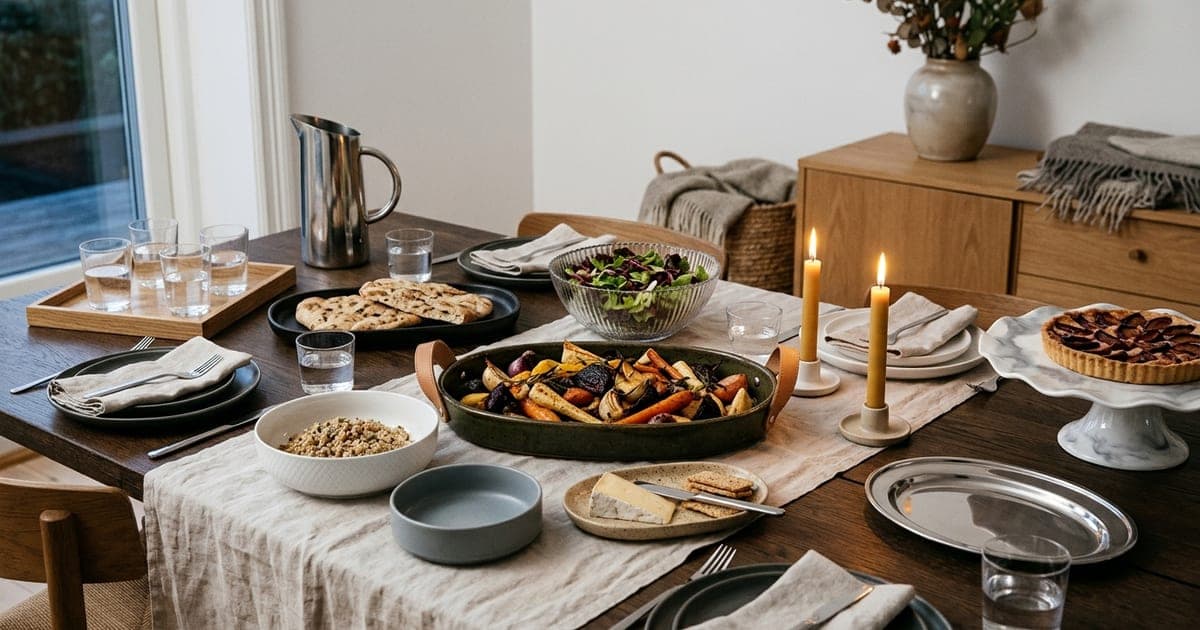
The invitations start again in October. Through the summer people eat standing up, outdoors, off whatever is nearest. From the first dark Saturday onwards they are invited, for seven o'clock, indoors, and the table has to hold eight. Nordic hosting is rarely elaborate: one pot, good bread, something sweet afterwards. But it is served properly, in the middle, where everyone can reach.
The pieces that do that work are not the plates. A plate is covered a minute after people sit down. A platter, a wide bowl, a jug and a tray are in view all evening, carry the food twice, and settle what the meal looks like. These ten are worth owning before the season gets busy: deep green stoneware, fluted glass, oak and plain steel. All are in stock in the UK, Germany, Norway and Denmark, and every one can be compared on price on ScandiDeals.
⸻
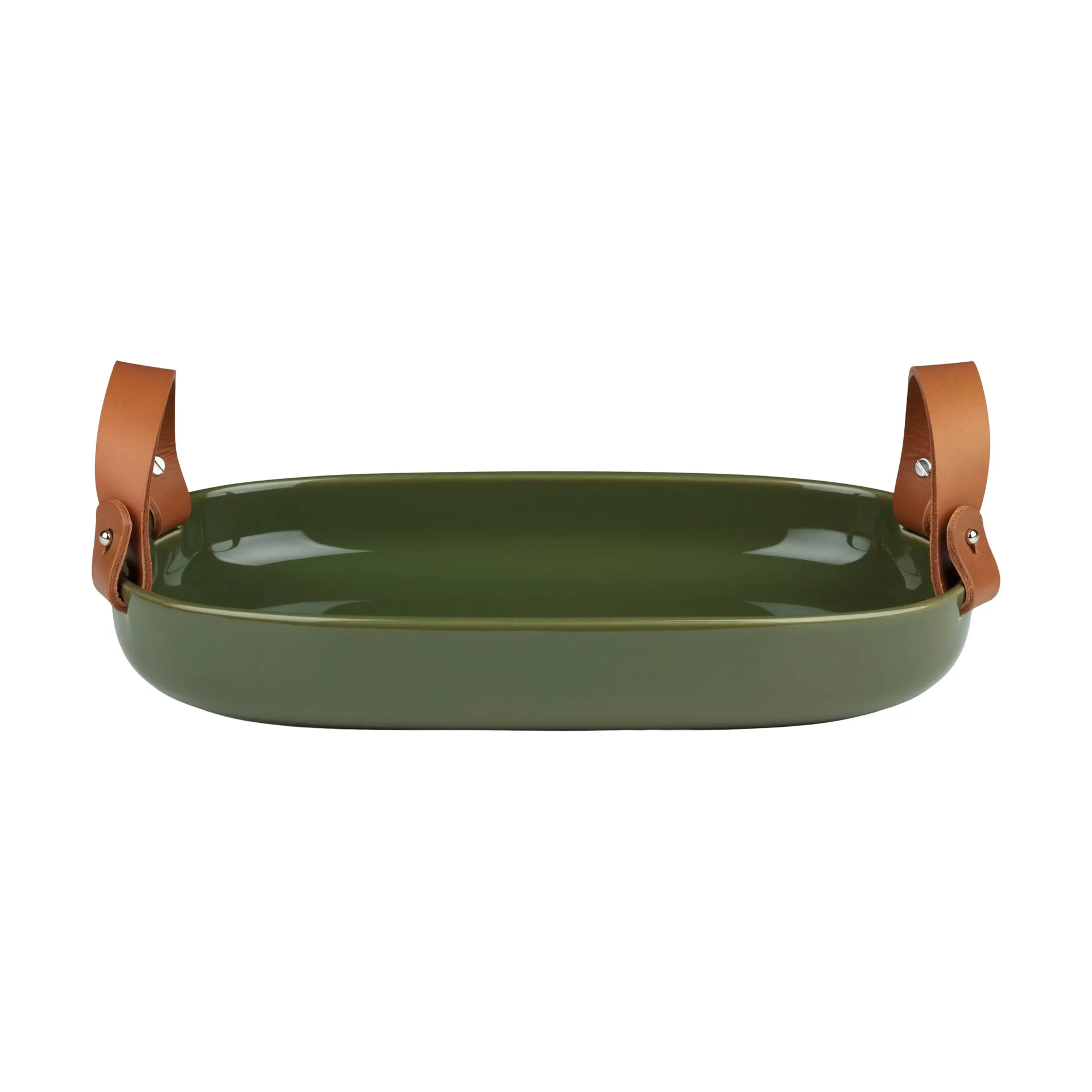
Oiva is Marimekko's tableware shape, and this platter arrives without a print: a soft-cornered oval in dark harvest green, 23 by 32 centimetres, with a tan leather strap riveted at each end. The straps change how it is carried. A loaded dish stops being something you balance and becomes something you hold. Green is a kind colour under food, roots especially, and it holds up under candlelight.
⸻
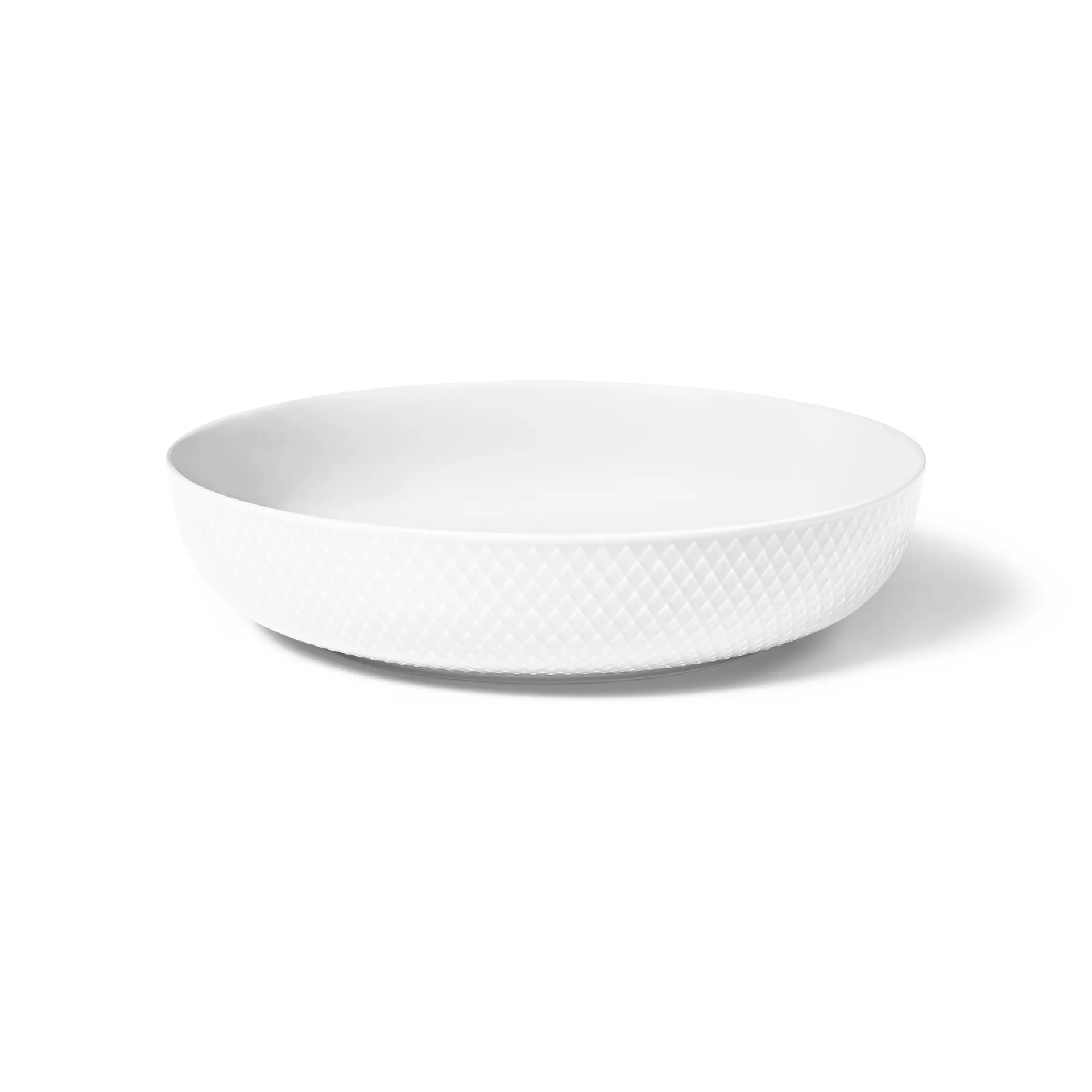
Shallow, 28 centimetres across, white throughout. Inside it is a smooth curve; outside, the lower wall is cut into a grid of small raised diamonds that catches the light and nothing else. That division is the design. Food sits on plain porcelain and the decoration stays where the hands are. Rhombe takes a salad for six, and it is the bowl for food with no colour of its own.
⸻
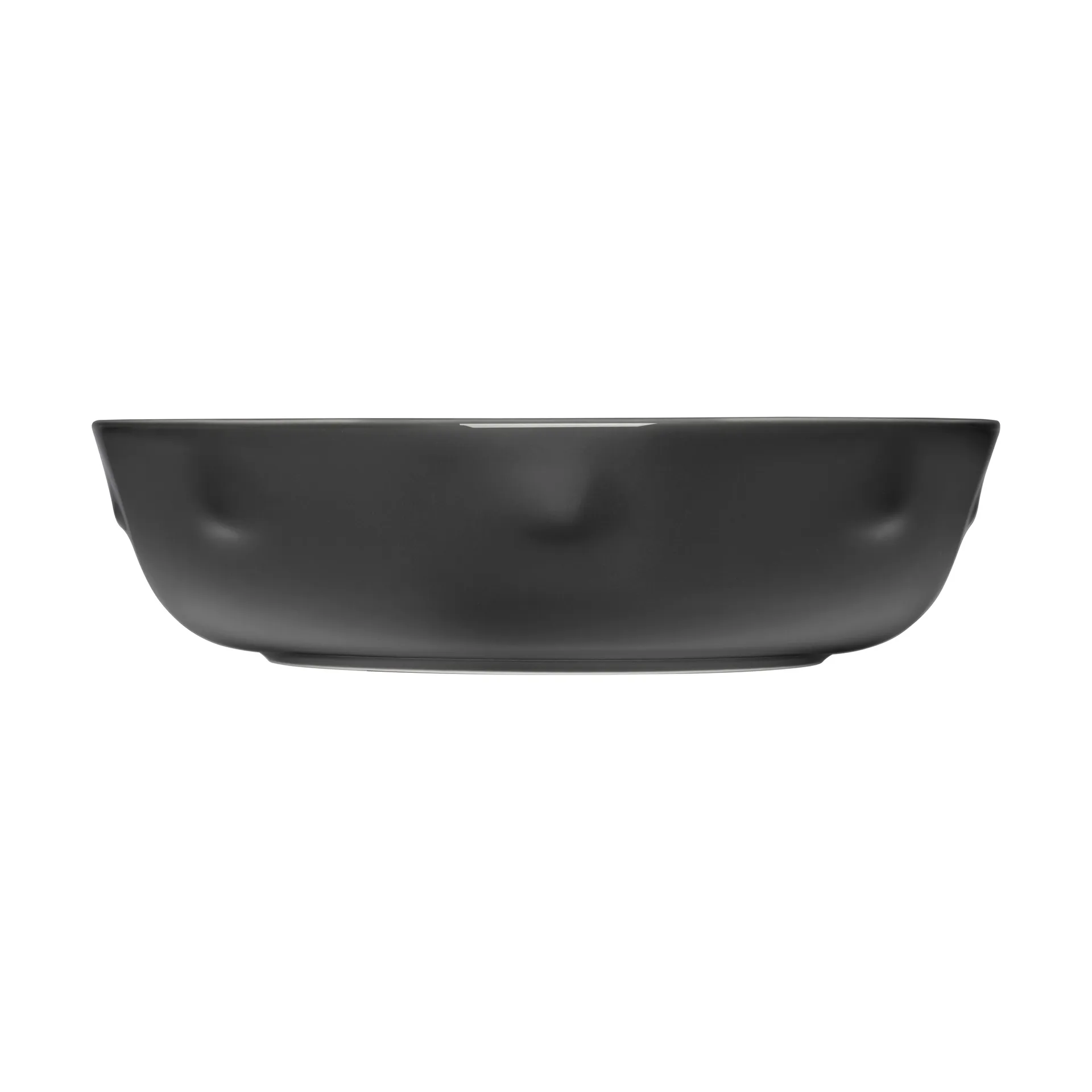
Two and a third litres, low and wide rather than deep, in a grey dark enough to read as black until something black is put beside it. The rim is softly squared, which stops Solare disappearing into a table of round plates. Dark bowls flatter pale food: potatoes, white beans, cauliflower under butter. Bought for the dinners, it ends up holding fruit on the kitchen counter in between.
⸻
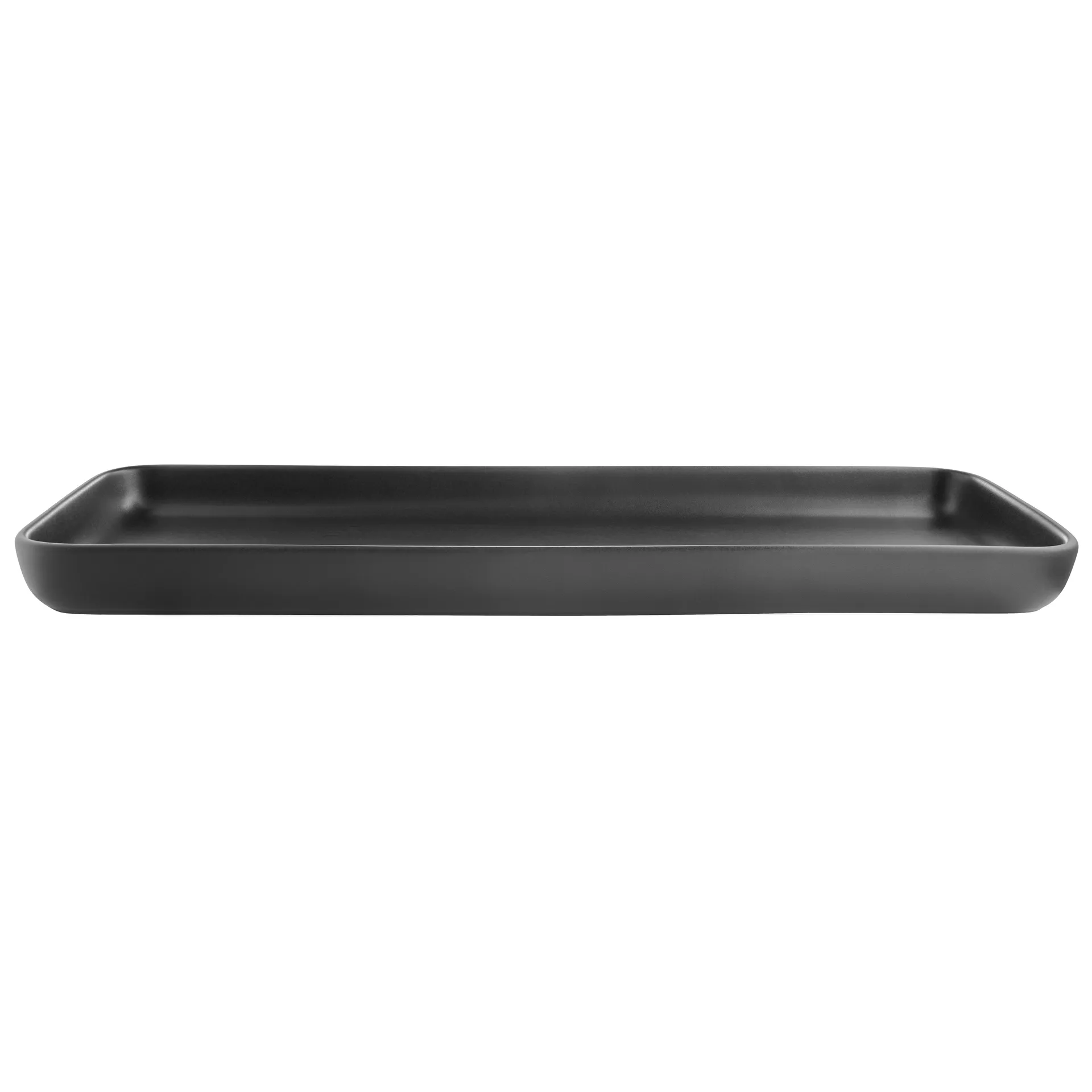
Thirteen centimetres by thirty-seven: a lane rather than a plate, with low straight walls and a matte black glaze that absorbs light instead of throwing it back. The proportion is the point. This platter runs down the middle of a narrow table, between the candles, without taking the space the glasses need. Smørrebrød in a row, cured salmon, flatbread cut into fingers, cheese with nothing else beside it.
⸻
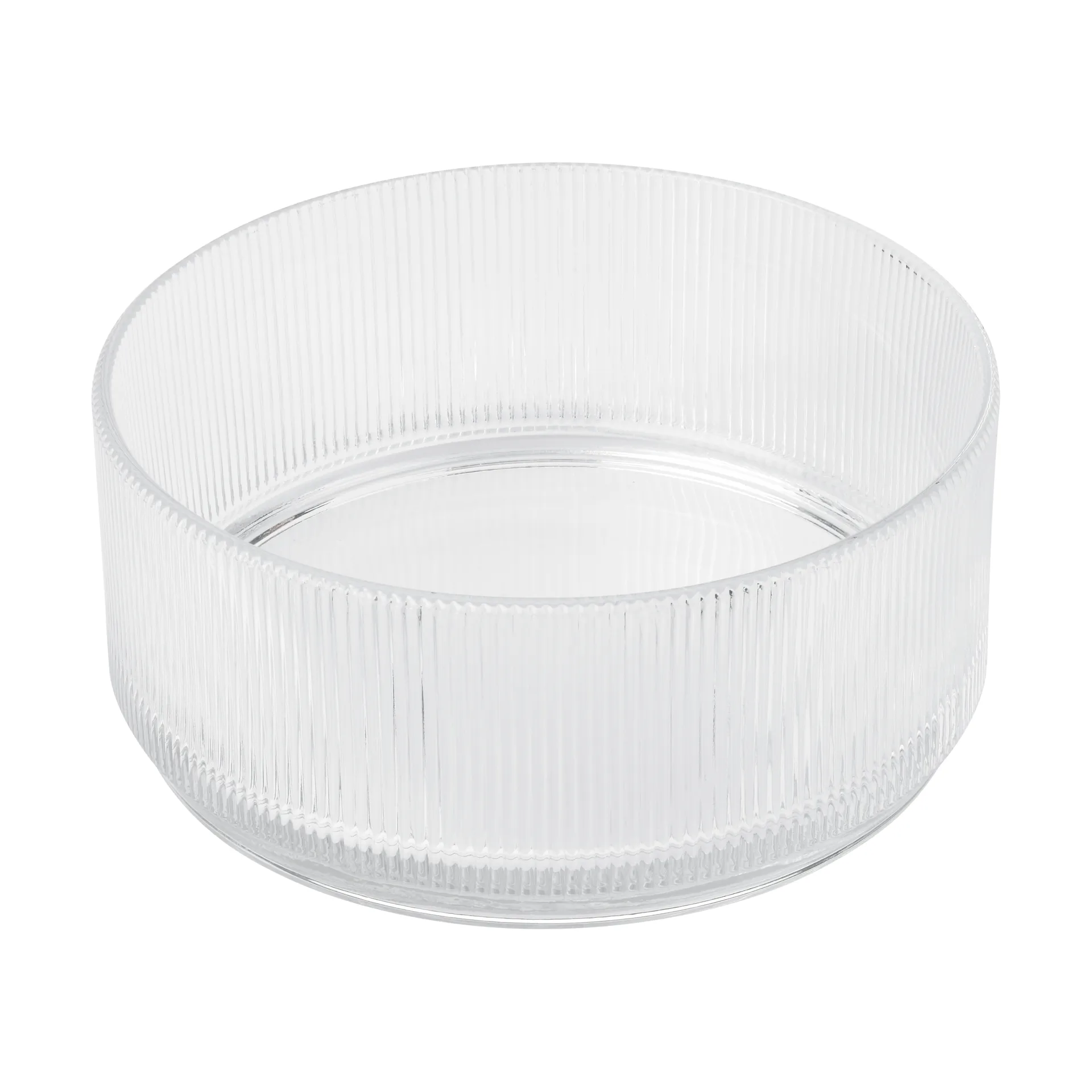
Pilastro is a clear glass cylinder, 21 centimetres across, with fine vertical fluting running up the outer wall and a flat, weighty base. Straight sides make a bowl look full when it is half empty, which is a useful illusion late in an evening. Glass earns its place on a crowded table because it disappears: leaves, sliced oranges, ice for the drinks, all of it legible from across the room through the ridges.
⸻
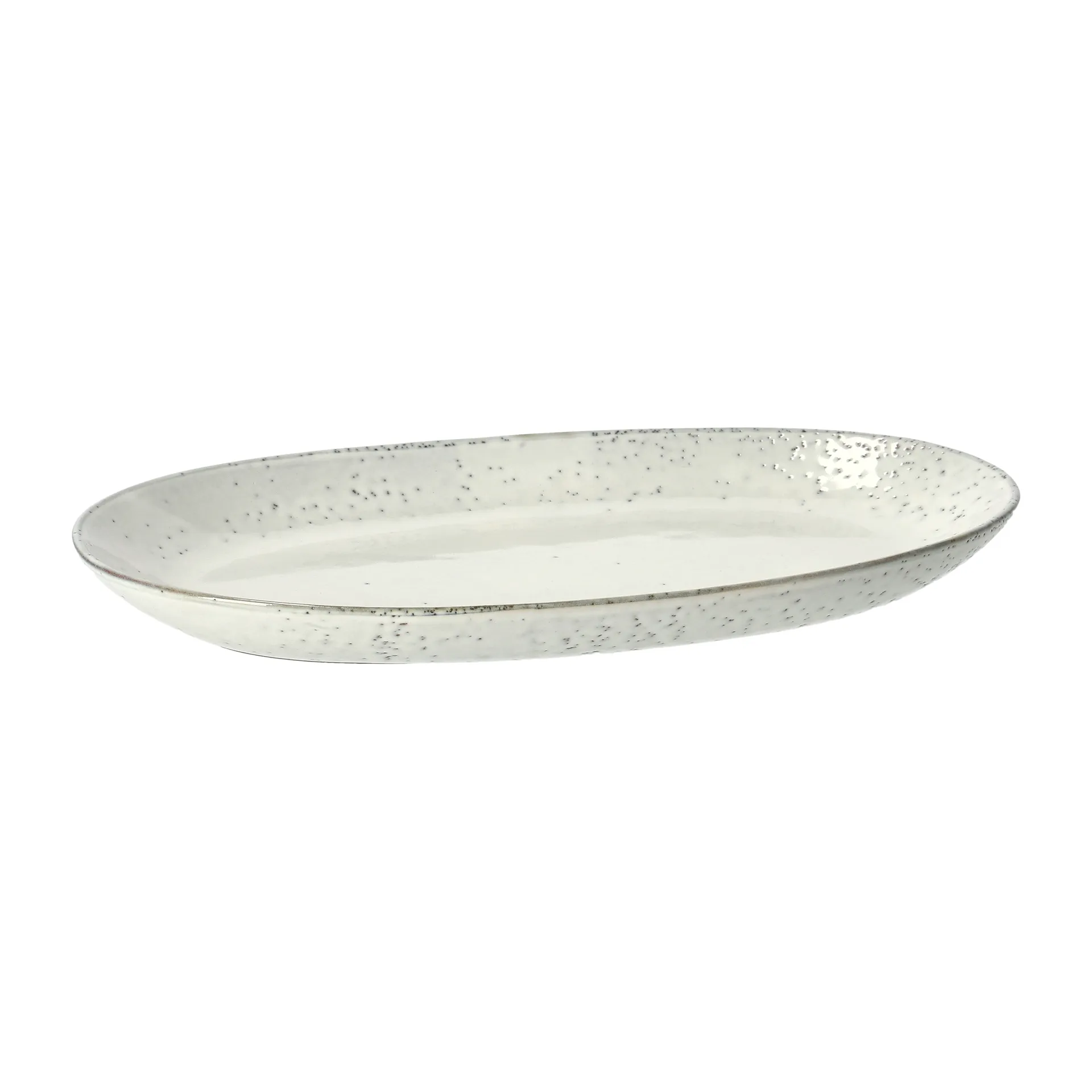
Thirty by seventeen centimetres, the size you reach for without deciding to. The glaze is sand coloured and freckled with dark iron spots that come up through it. Everything small goes on this oval: olives before people sit down, a wedge of cheese with the knife across it, the bread, two chocolates with the coffee.
⸻
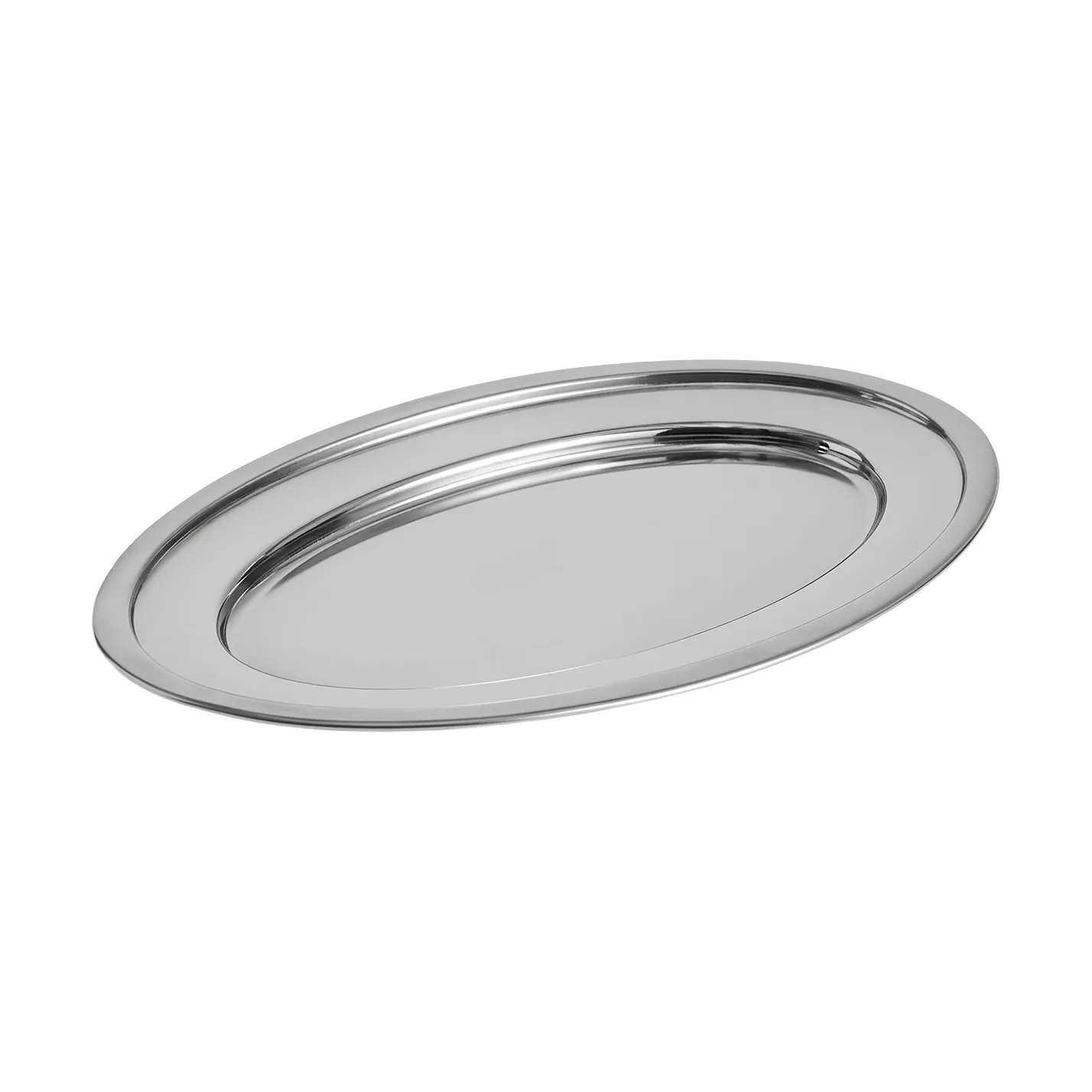
Polished stainless steel, oval, a rolled rim around a shallow well, no decoration at all. It is the least expensive piece here by a distance and the most willing on a busy night: steel minds neither the oven nor the fridge, cannot be chipped by a fork, and washes in seconds. The look is canteen, deliberately so, and beside porcelain that reads as confidence rather than thrift.
⸻
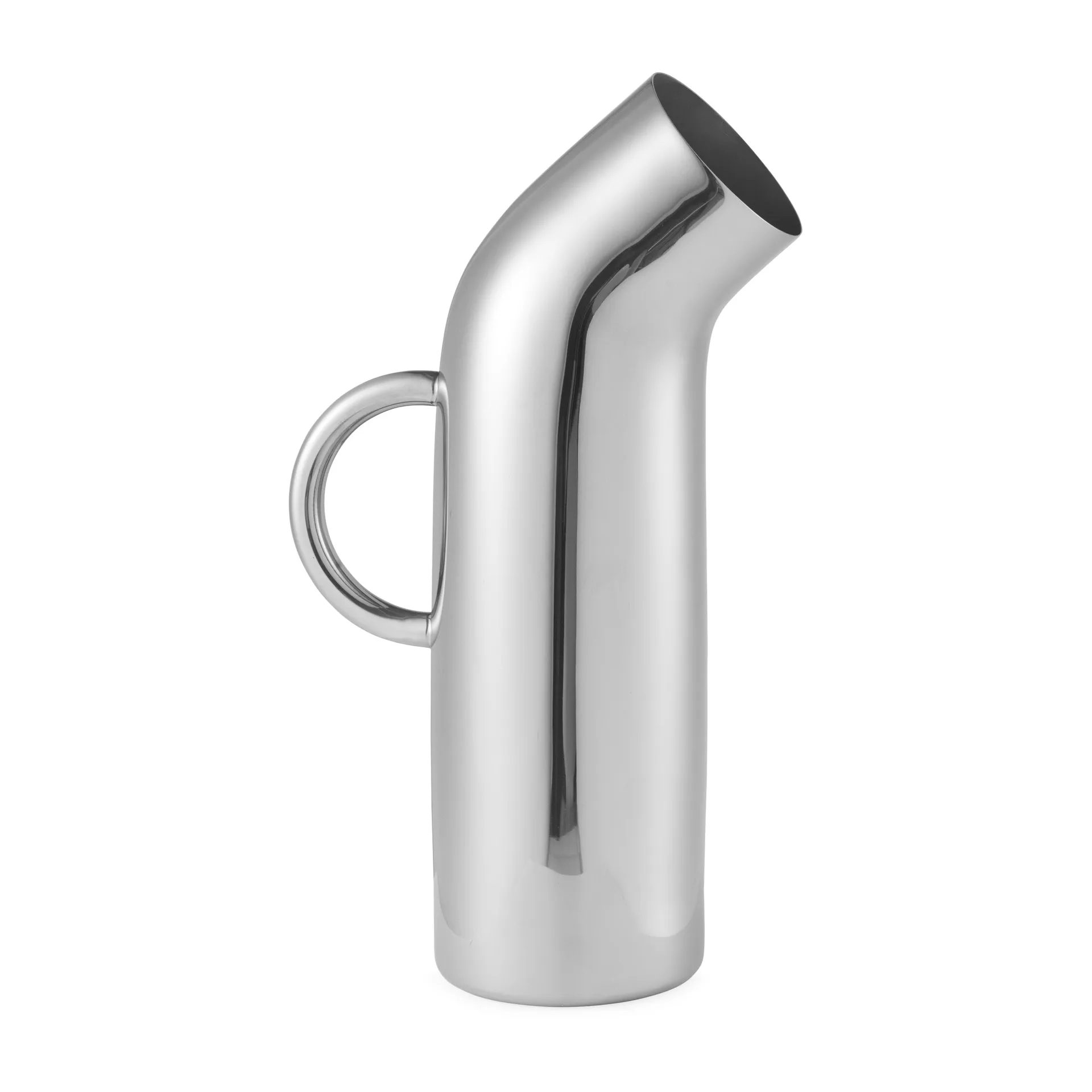
A plain steel cylinder holding 1.2 litres, the top sliced off at a slant to make the spout, a round handle looped on the side. There is nothing else to the Pipe jug. Water on a table is usually an afterthought in whatever bottle came home from the shop; in steel it joins the setting, and the polished surface picks up the candles and the last of the window.
⸻
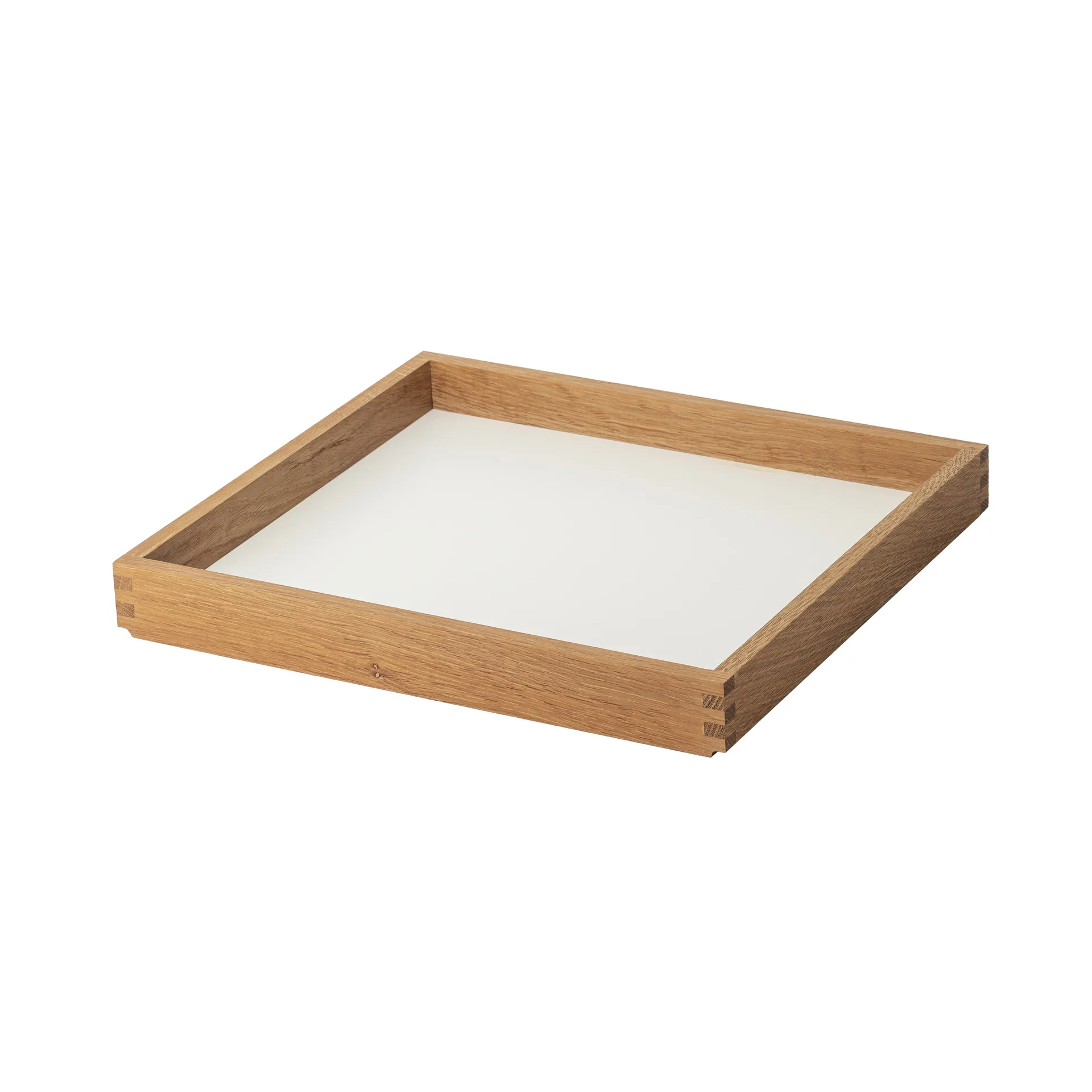
Almost square at 34 by 37 centimetres, with solid oak sides finger-jointed at the corners and a pale base set inside them. A tray is not serving in the strict sense: it is the thing that brings six glasses through in one trip and then stays put, on the low table, as a defined surface for the bottles so that nobody sets a glass down on a book. Frame darkens pleasantly with years of handling.
⸻
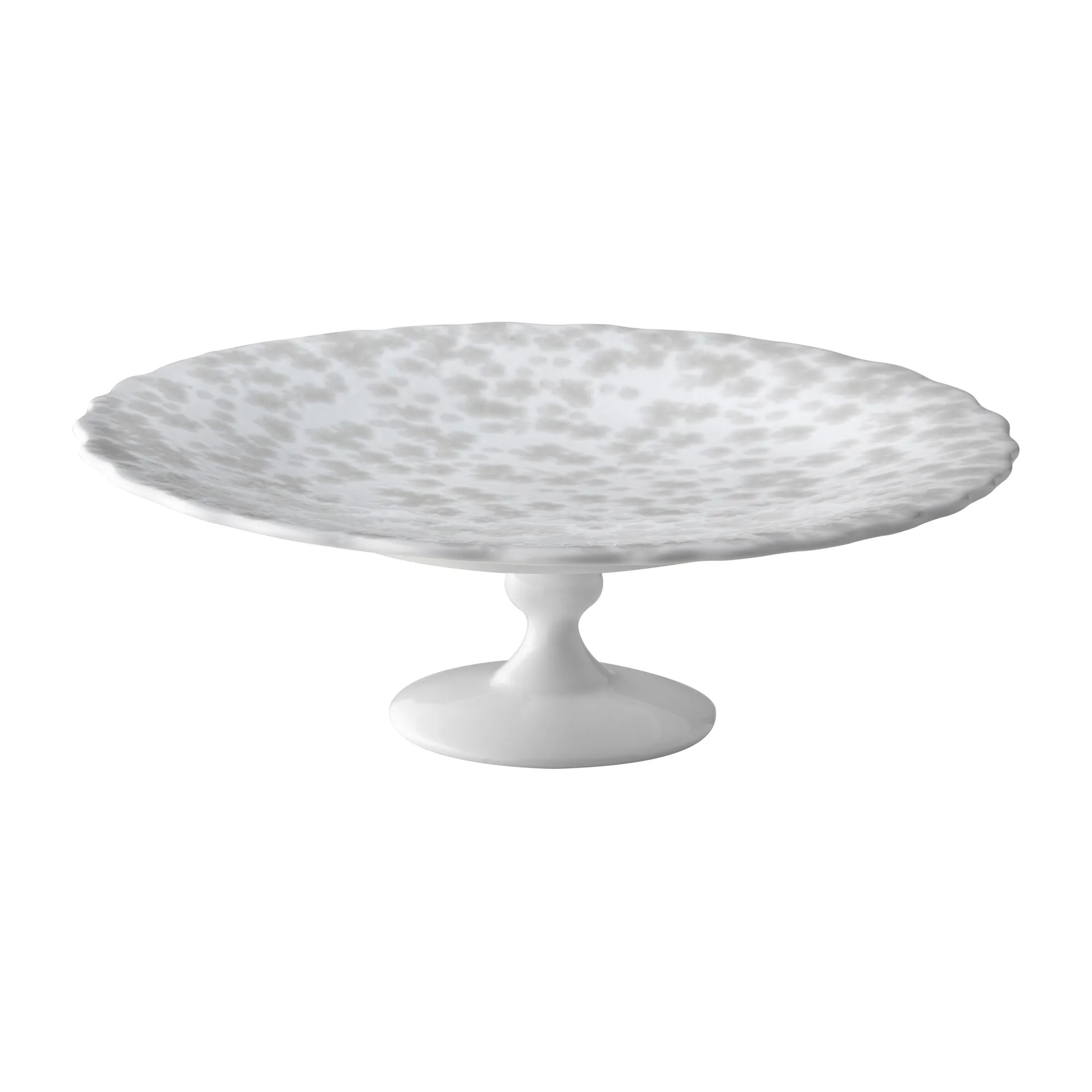
Slåpeblom is Norwegian for the blackthorn blossom, and the pattern is close to that: soft grey shapes drifting across white porcelain, like flowers behind frosted glass. The stand is 21 centimetres across with a waved edge, lifted on a short foot. Height is the one thing a plate cannot do. Put the cake above the clutter of a finished table and the last course arrives as an event rather than another dish among dishes.
⸻
Ten is more than anyone needs. The working set is four: one big bowl, one long platter, something to pour from, a tray to carry it all. Add the small speckled oval, because it never goes back in the cupboard, and the cake stand, because December is coming. The rest can wait until a particular meal asks for them, which is a better reason to buy something than a list is.
What these pieces share is that they are plain enough to be used for twenty years alongside whatever plates you own by then. No set to complete, no pattern to match, nothing that dates to a single winter. That is the Nordic argument for buying the serving piece before the dinner service. Prices move week to week and differ across the four countries, so it is worth comparing the shops on ScandiDeals before settling on any of them.
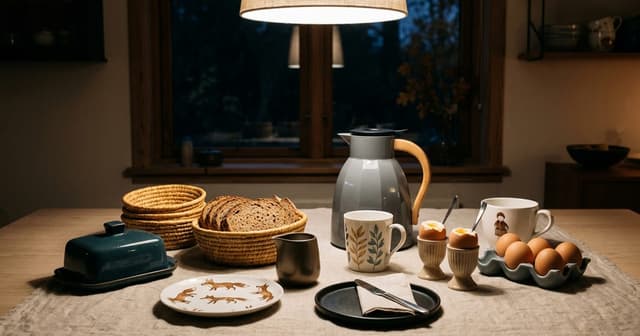
By mid-October breakfast in the North happens before the light does. Ten pieces that make the first meal of the day worth switching a lamp on for.
Read More →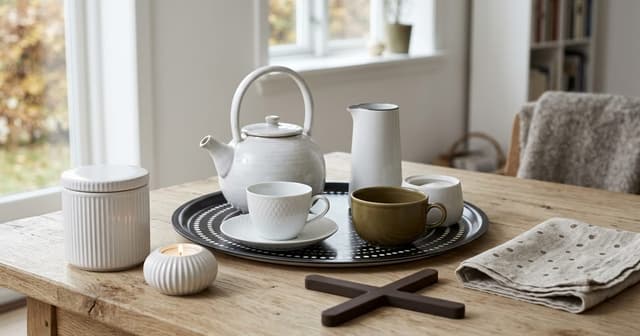
Coffee belongs to the Nordic morning. The hour after four, when the light goes, belongs to a pot of tea. Ten pieces for the quietest part of the day.
Read More →
Plain plates, one pattern, a bowl big enough for the whole meal and glass that catches candlelight: 10 Nordic pieces for the autumn dinner table.
Read More →