
10 Nordic Knives and Cutting Boards for Everyday Cooking
A sharp blade and a board that can take it change the cooking more than any gadget. Ten Nordic pieces for chopping, storing and keeping an edge.
Read More →Baking turns seasonal the week the light starts going. Ten Nordic pieces, from a Danish mixing bowl to a dewdrop cake stand, for a kitchen that smells of cardamom.
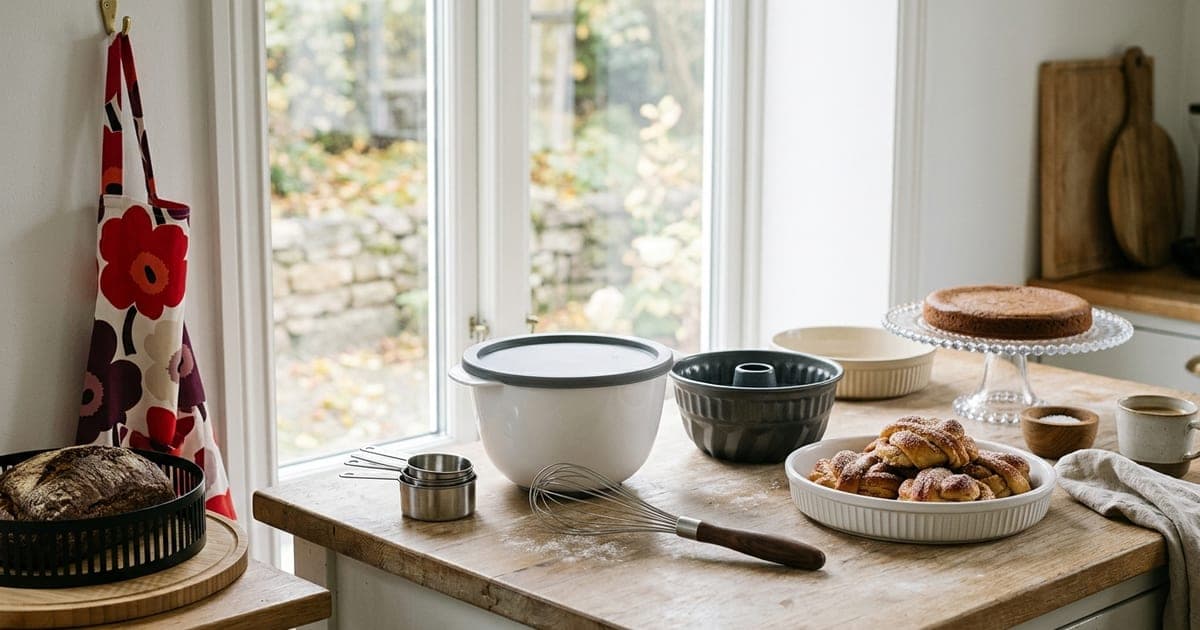
In the Nordic countries baking is seasonal in a way it is not further south. From the last days of September the light leaves early, the oven becomes the warmest thing in the flat, and the Saturday habit comes back: cardamom buns on a tray, a rye loaf that lasts the week, an apple cake made from whatever the garden gave up.
The equipment behind it is modest and long-lived. One bowl deep enough to knead in, a tin that releases cleanly, a dish that goes from oven to table without being thought about. What follows is that kit, ten pieces in the order you reach for them, from the first decilitre of flour to where the loaf lives afterwards. All ten are in stock and can be price-compared across the UK, Germany, Norway and Denmark on ScandiDeals.
⸻
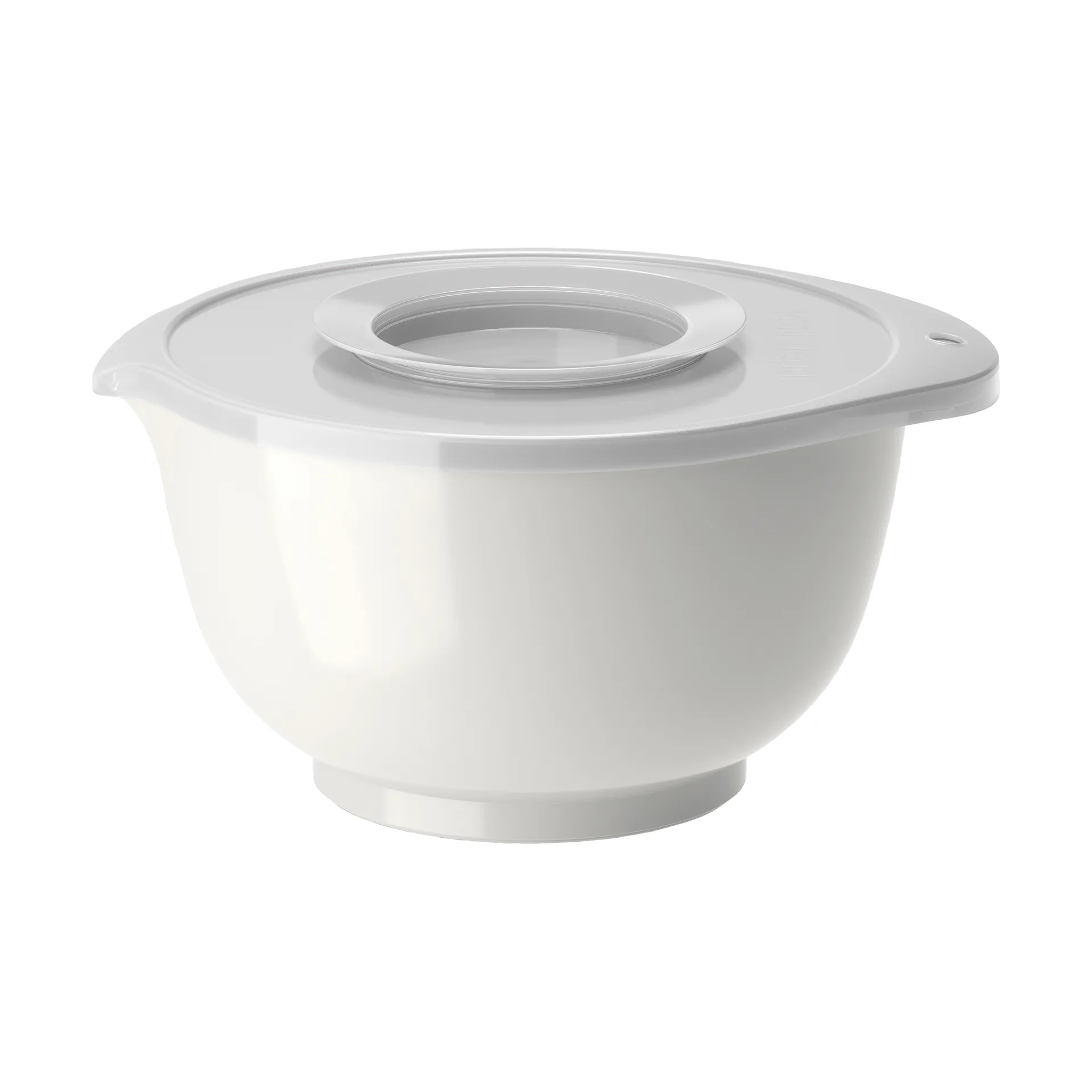
Most of a bake happens in one bowl. The Rosti Margrethe bowl is the Danish version: deep white plastic with sloping sides, a pouring lip at one edge and a rubber ring under the foot that grips the worktop, so it stays still while one hand pours and the other stirs. Three litres takes a double batch of bun dough with room to rise. The grey lid drops on with a hole in the middle for a hand whisk, which keeps the cream in the bowl and off the tiles.
⸻
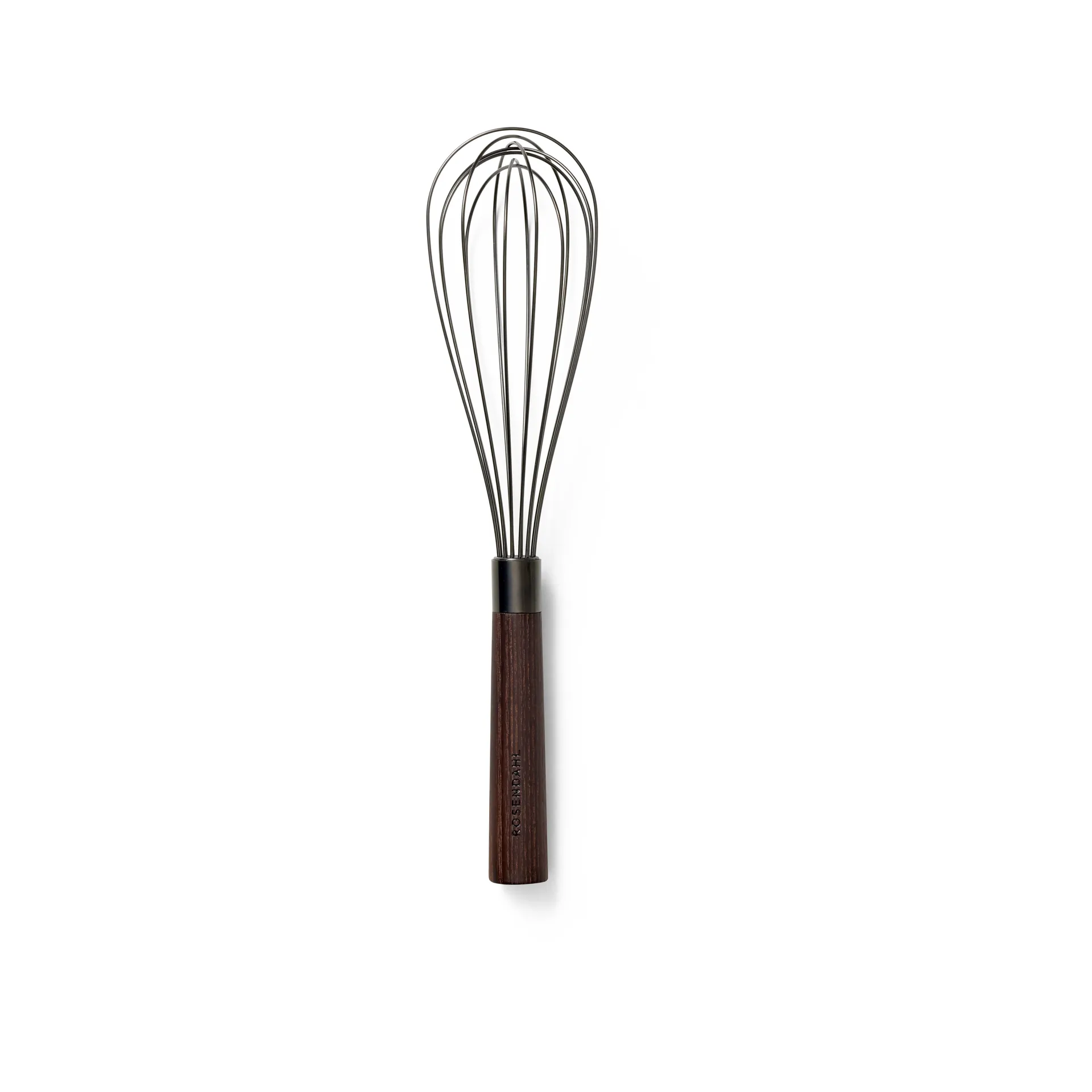
A whisk is either balanced or it is a chore. The Rå whisk draws fine steel wires into a slim teardrop and sets them in a dark collar on a handle of heat-treated ash, brown right through and dry to the touch rather than lacquered. The weight sits in the hand instead of the head, so whipping cream is a wrist movement. Wash it by hand and stand it up to dry.
⸻
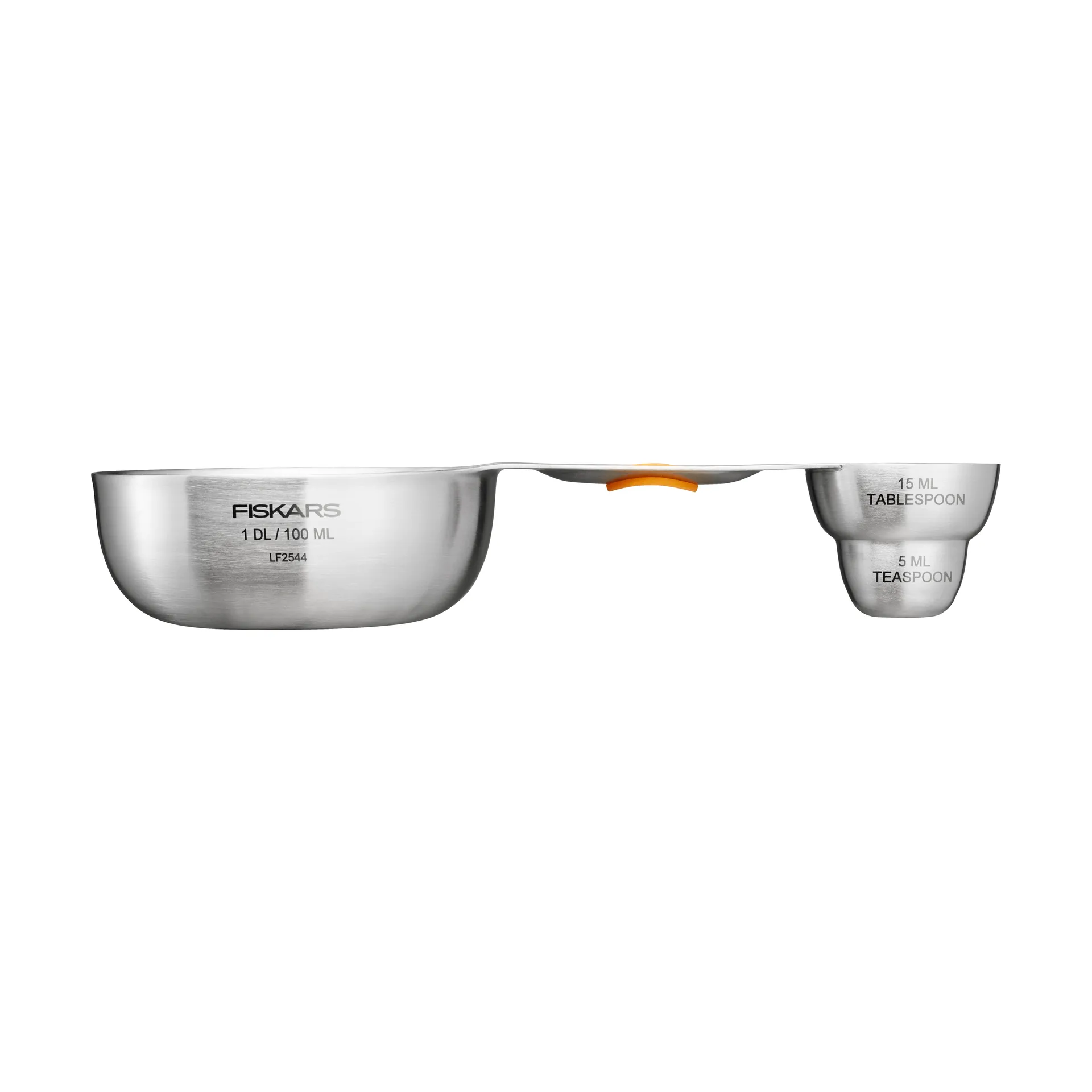
Nordic recipes are written in decilitres, and a guessed one is how a sponge comes out short. The Functional Form set is three stainless steel measures: a 1 dl cup with a long flat handle, and a 15 ml tablespoon and 5 ml teaspoon that nest into it. Steel takes no stain from turmeric or cinnamon and holds no smell of yeast the way plastic does.
⸻
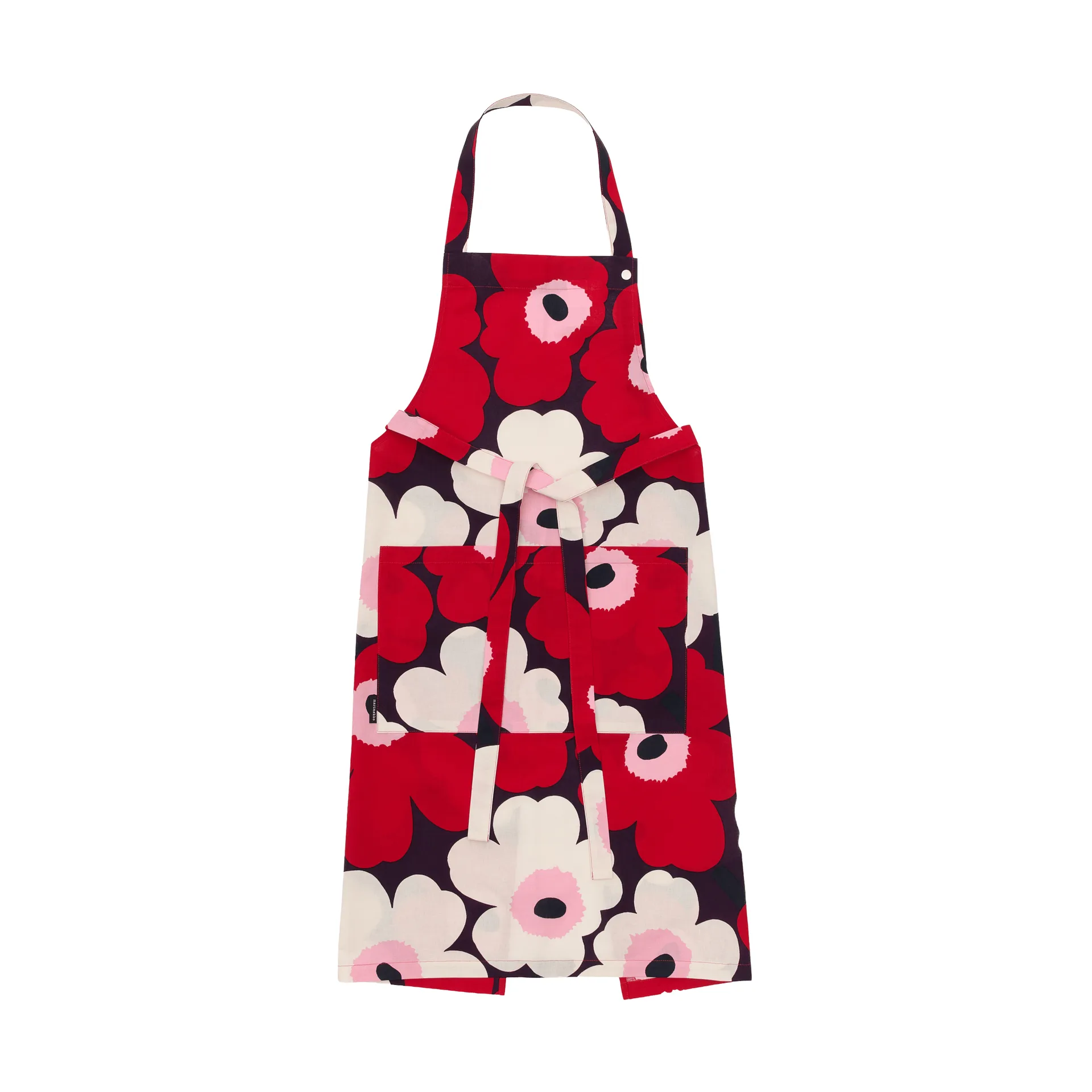
Flour goes everywhere, which is the argument for an apron you want to put on. The Pieni Unikko apron carries Maija Isola's Unikko poppies, drawn in 1964 and printed here at the smaller scale Marimekko calls pieni: red and off-white flowers with rose centres across a deep plum ground. It is cotton, cut as a bib with long ties and one broad front pocket for a dough scraper and a tea towel. It washes hot and comes back bright.
⸻
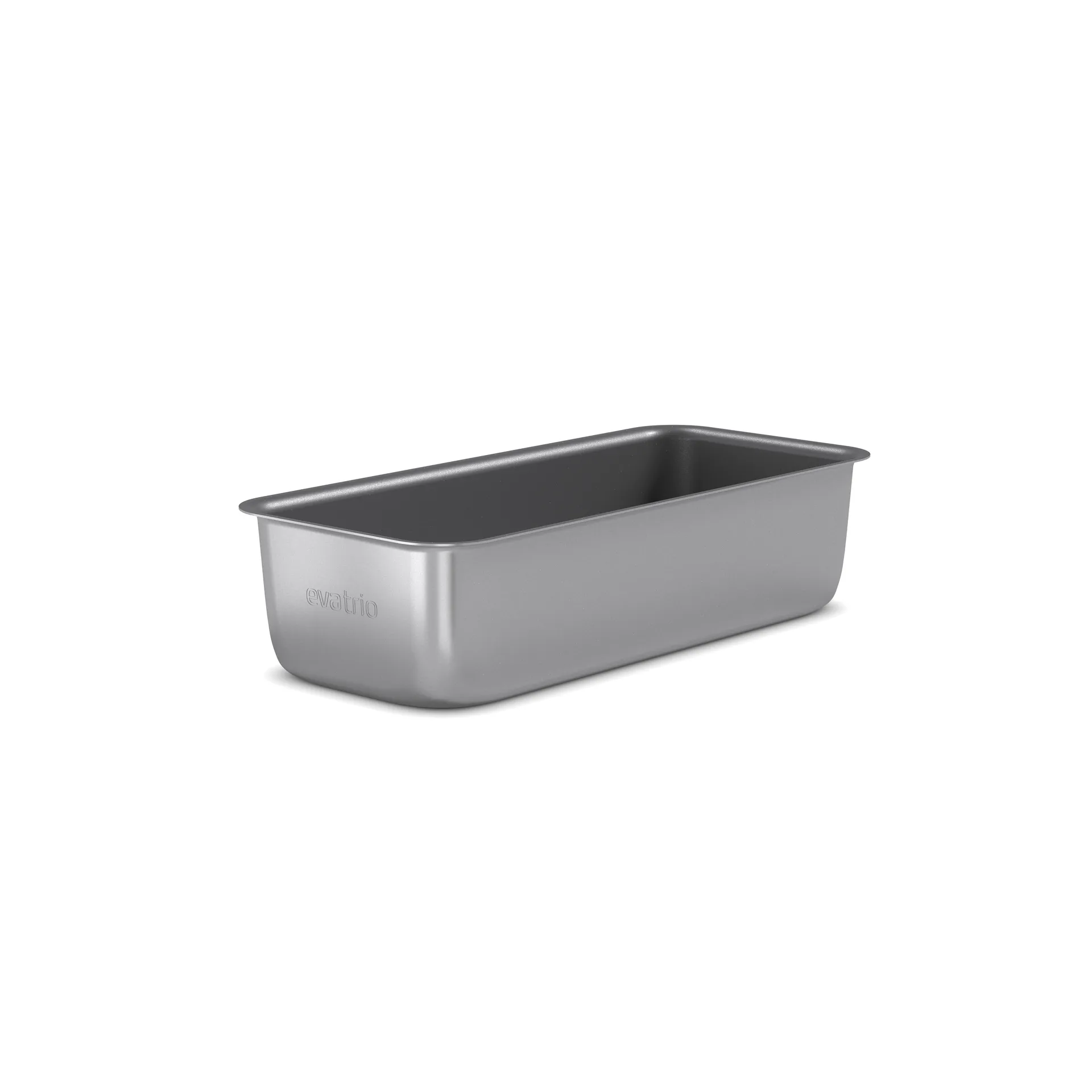
Rye bread wants straight sides and some weight. The Eva Trio Professional tin is a plain rectangle in brushed steel with a dark non-stick lining and a rolled rim to grip when it comes out of the oven. Three litres is a standard loaf, or a sponge baked long and narrow so it slices into even pieces. Nothing about it is decorative, which is why it will still be in the cupboard in ten years.
⸻
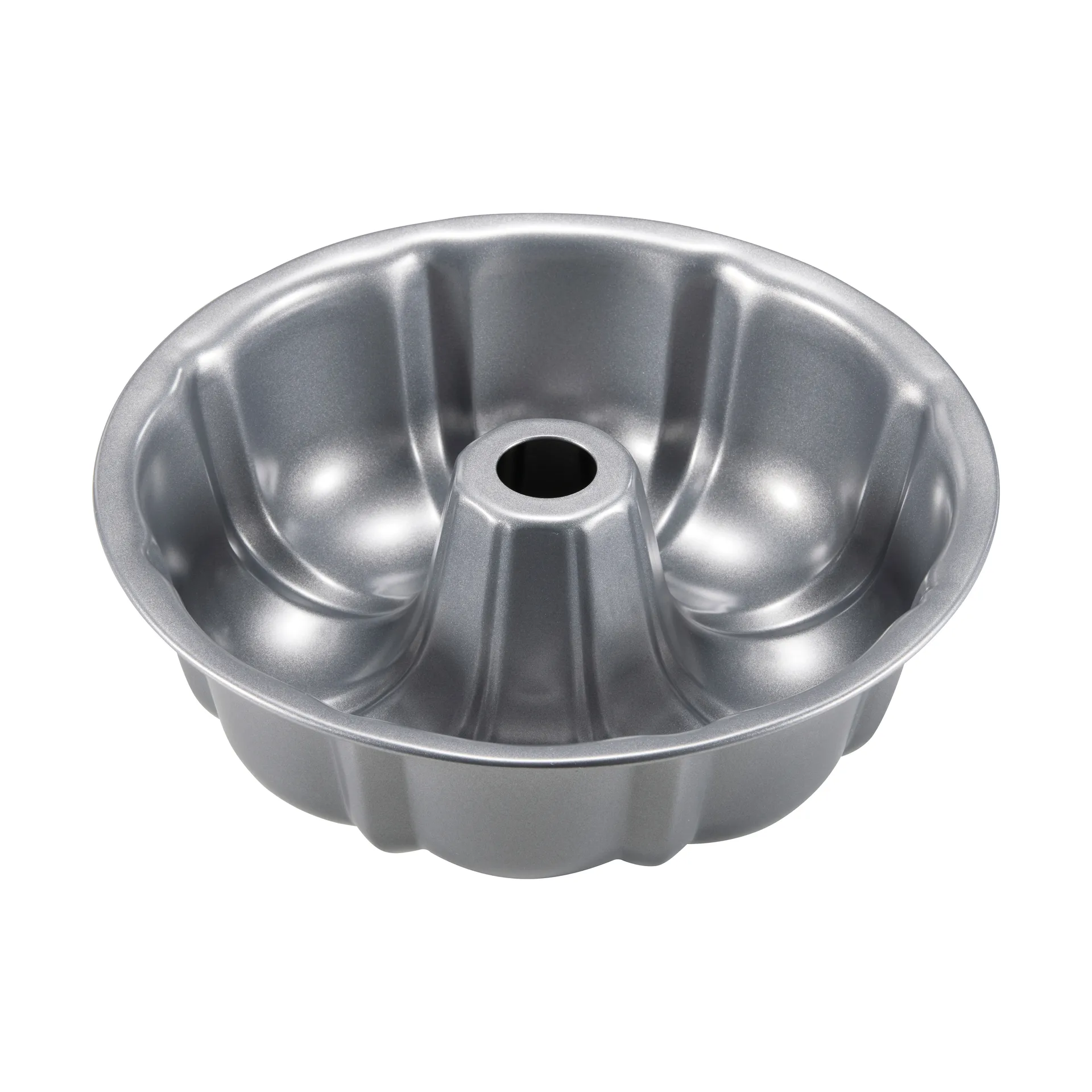
A bundt tin earns its keep in autumn, when the batter is heavy with apple or cardamom. The funnel in the middle carries heat into the centre, so the cake bakes through instead of sinking. The Karabo tin is carbon steel in a grey-black non-stick finish, 25.5 centimetres across, deeply fluted so a plain cake arrives with a shape of its own. Butter it, dust it with flour, and it turns out in one piece. Icing sugar through a sieve is all it needs.
⸻
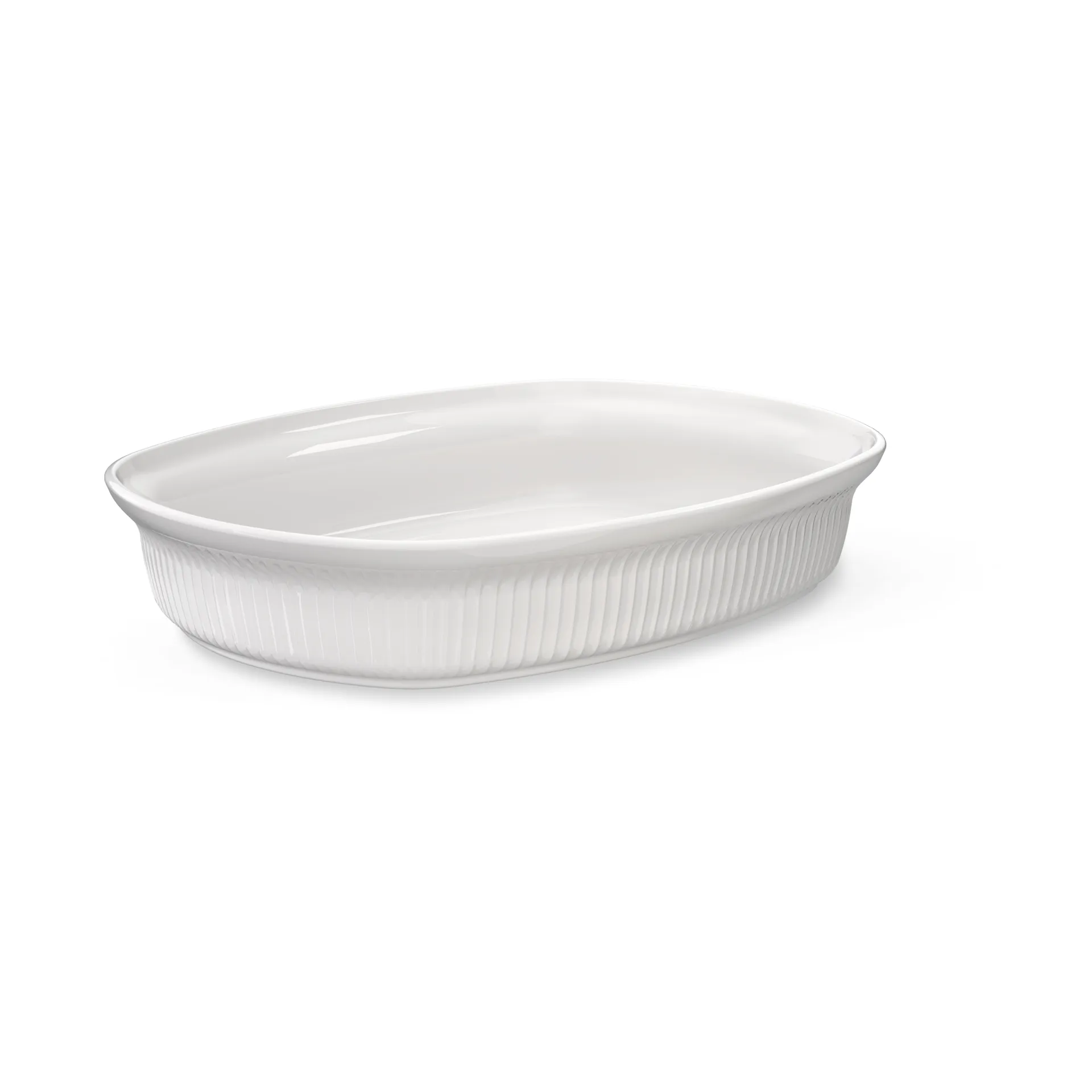
The Hammershøi oven dish is white glazed ceramic with rounded corners, the fine vertical grooves the range is known for cut into the lower half and a smooth band left around the rim. At 24 by 32 centimetres it takes a tray of buns, a gratin or a baked apple pudding, and it is handsome enough to go straight onto the table. Ceramic gives up its heat slowly, so the second helping is as warm as the first.
⸻
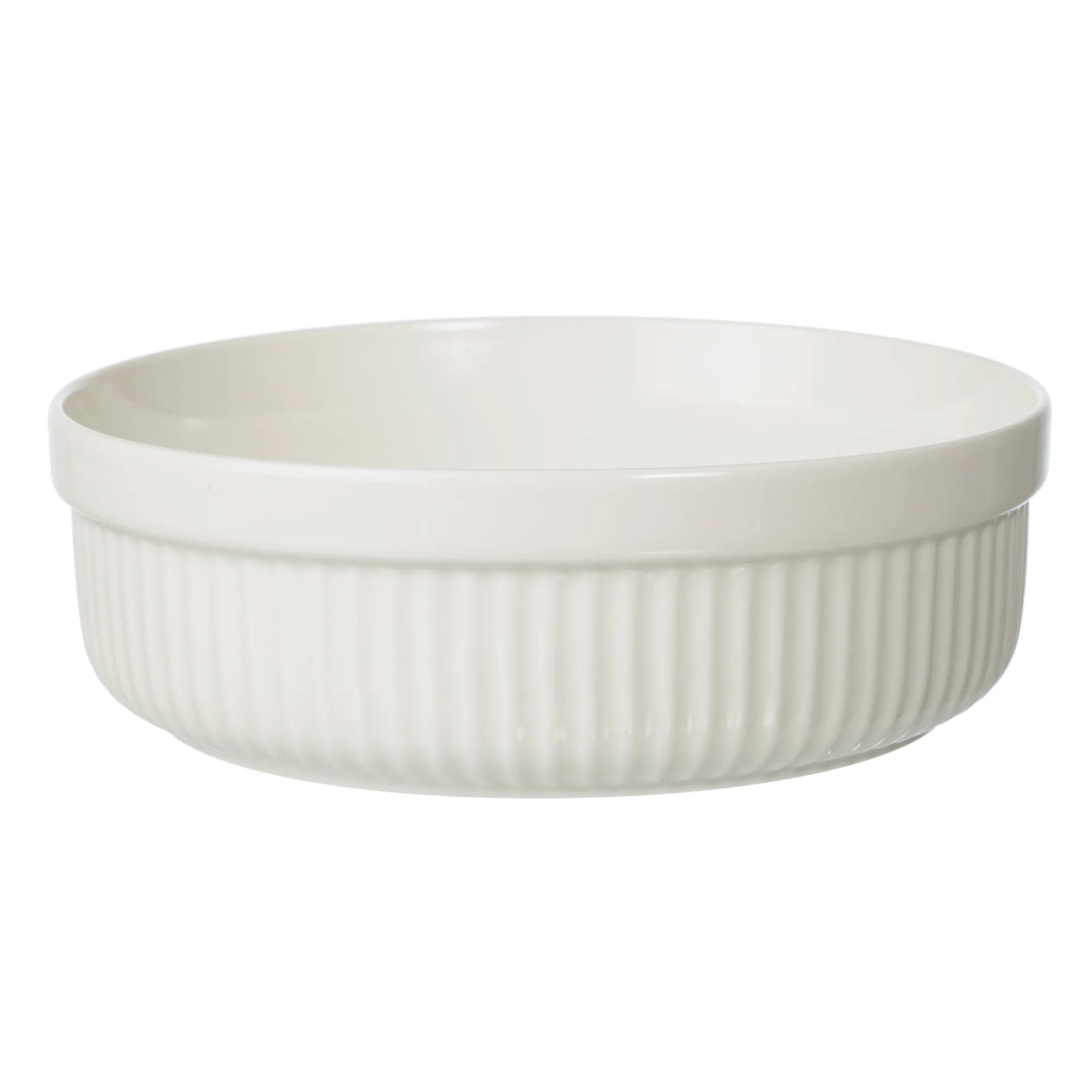
Uunikokki is Finnish for oven cook, and the dish is as plain as the name. The Arabia Uunikokki dish is round and holds two litres: cream stoneware with a ribbed outer wall and a wide plain rim to take hold of through a cloth. It is the size for a crumble for four, a rice pudding, or cinnamon knots pushed together so they bake into one sheet and pull apart at the table.
⸻
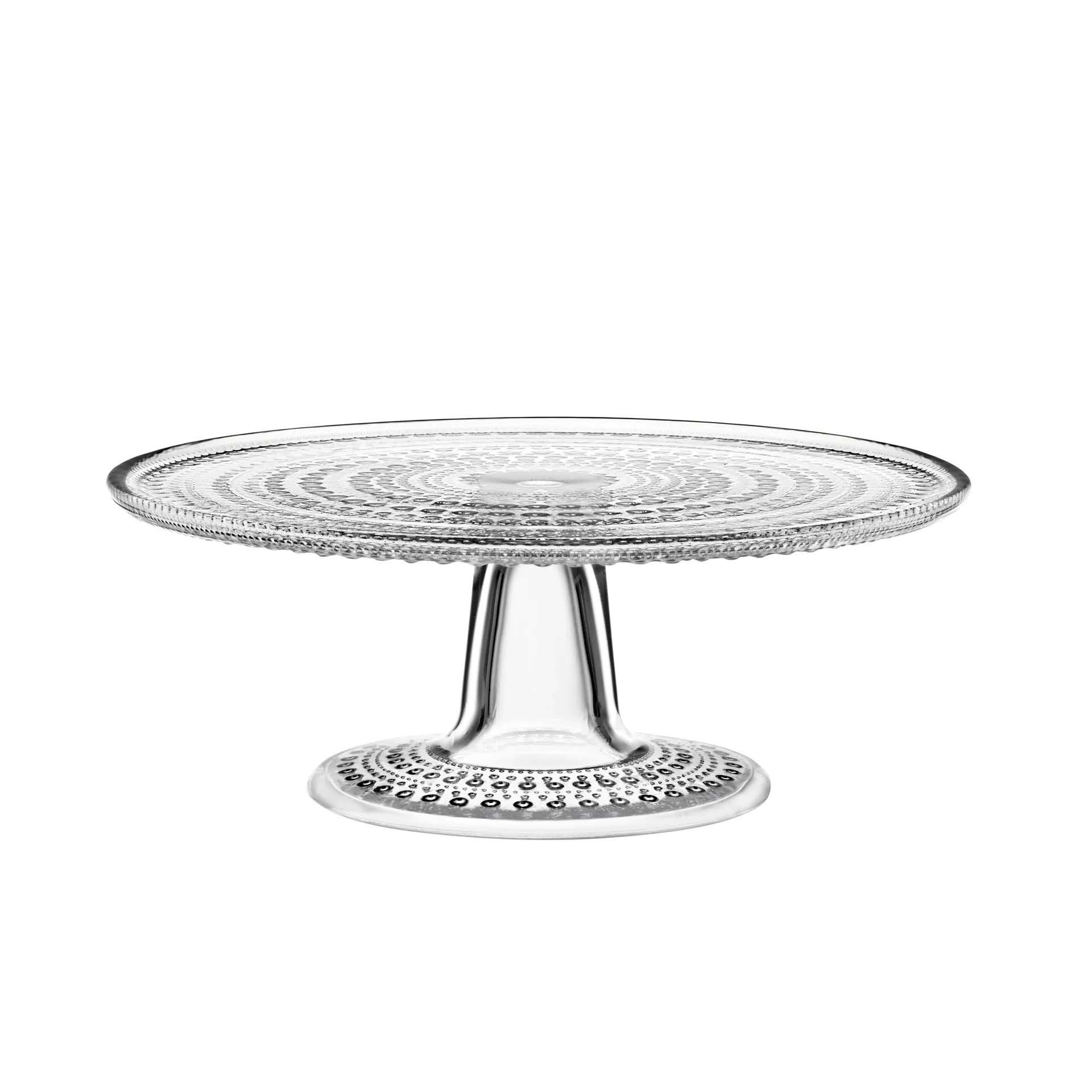
The Kastehelmi cake stand lifts what you have baked clear of the table, which is most of what a cake needs to look considered. Oiva Toikka drew the pattern in 1964 — kastehelmi is Finnish for dewdrop — and the pressed glass carries rings of small raised beads across the plate and around the foot. The small size suits a round cake, a pile of buns or six biscuits.
⸻
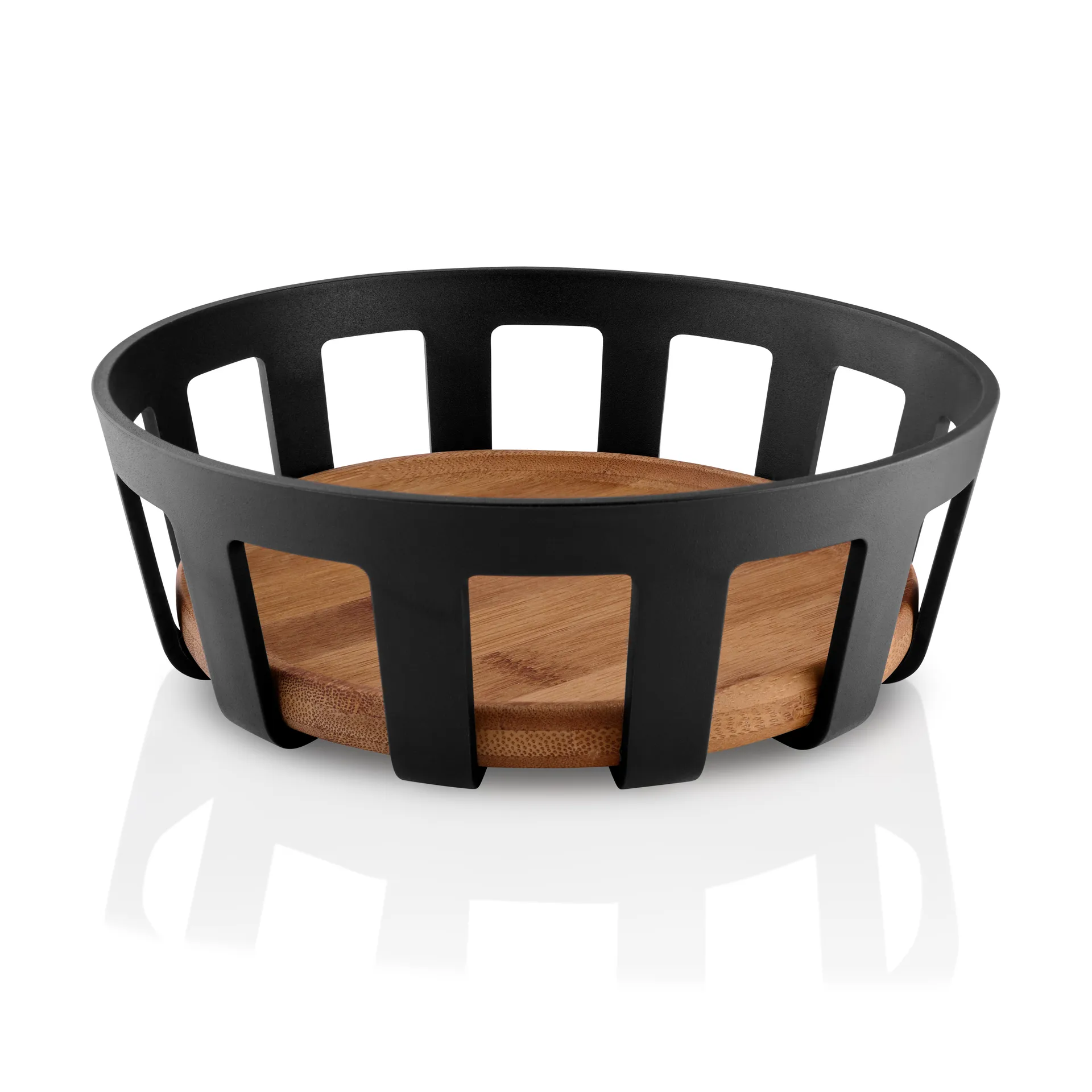
Bread goes stale fastest in a plastic bag. Eva Solo's Nordic Kitchen bread basket is a black slatted ring standing on a round bamboo board, 22 centimetres across. The slats keep air moving around the crust; the board catches the crumbs. Lift the ring away and the board is what you slice on; set it back and yesterday's loaf keeps its crust.
⸻
None of this is specialist equipment. A bowl, a whisk, three measures, an apron, two tins, two dishes, a stand and a basket will carry a household through every bake between now and spring, and most of it will outlast the oven it goes into. That is the Nordic position on kitchen things in general: buy the plain version once, in a material that survives heat and washing, then stop thinking about it.
Prices move week to week and differ between the UK, Germany, Norway and Denmark, sometimes by more than the postage costs. Compare them on ScandiDeals before you buy, and put the difference towards butter and cardamom.
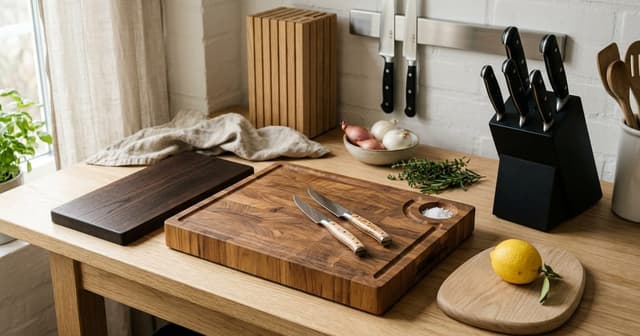
A sharp blade and a board that can take it change the cooking more than any gadget. Ten Nordic pieces for chopping, storing and keeping an edge.
Read More →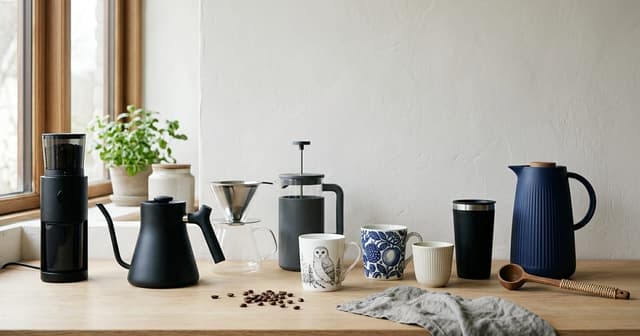
Nordic countries drink more coffee than anyone else. Ten pieces, from grinder and gooseneck kettle to thermos jug and mugs, for a slower morning.
Read More →
Discover 10 affordable Scandinavian kitchen gadgets that combine elegant design with practical functionality to transform your cooking experience.
Read More →