
The Last Pinch: 10 Nordic Mills, Mortars and Butter Dishes
October cooking is slower and darker, and seasoning is the last decision in it. Ten Nordic pieces for salt, pepper, oil and butter.
Read More →The clocks have gone back and lunch is packed in the dark, the night before. Ten Nordic boxes, jars, bottles and one small mug.
The packed lunch is a Nordic habit before it is a product category. Norwegian children carry a matpakke to school and Danish children a madpakke, both built the evening before out of bread, butter and whatever was in the fridge. Swedish offices run on the matlåda, last night's dinner in a box, queued up at the microwave at noon. None of it is romantic. It happens at ten in the evening, under the kitchen light, while someone looks for the lid.
That is the hour these objects are judged in. A box that will not close, a bottle that leaks into a bag, a mug that needs two hands and a thumb — the design fault shows up in the dark, in a hurry, and again the next morning. What follows is ten pieces from Nordic makers: six boxes, a jar, two bottles and a small insulated mug. All ten are in stock in the UK, Germany, Norway and Denmark, so it is worth comparing prices on ScandiDeals before buying.
⸻
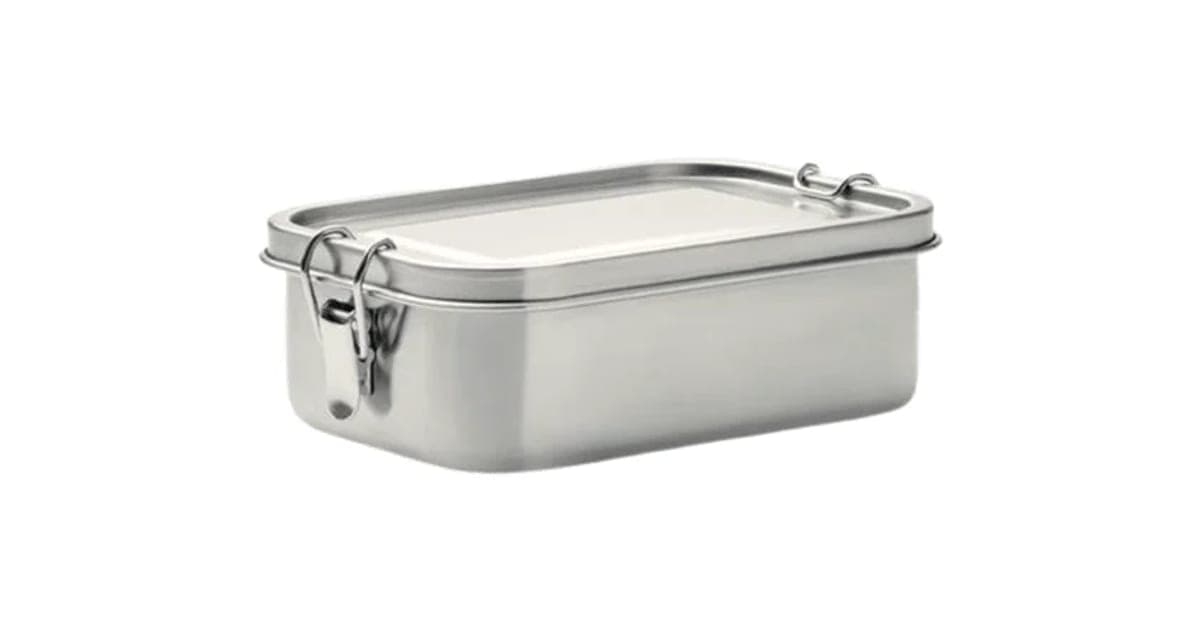
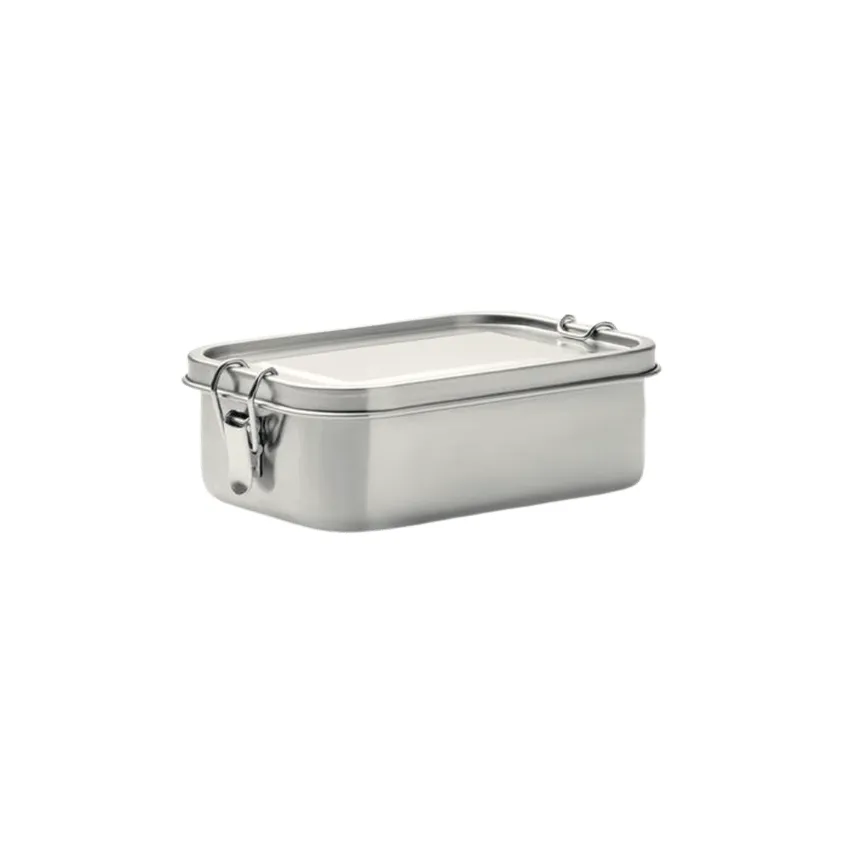
A plain rectangle of brushed stainless steel with a wire clip on each side and no printing anywhere. Steel is the honest material for a box that lives in a bag: it takes no colour from tomato, keeps no smell of yesterday's onion, and comes out of the dishwasher looking the same as last year. The large Nichba box holds a full lunch rather than a snack, and the clips shut with enough grip that a sandwich arrives in one piece.
⸻
Tina is the box you buy several of, which is the correct way to own lunch boxes: one in the bag, one in the wash, one in the fridge with tomorrow in it. The body is fluted down the sides, so it is easier to hold with cold hands than a smooth one, and the colour here is a warm brown called fudge rather than office grey. The 1.1 litre Tina takes a main course with room left over.

⸻
White lid, one enormous black initial, nothing else. In a shared office fridge or a bag with three school lunches in it, a letter does more work than any amount of styling: the box is identified across a room, and it stops the daily negotiation about whose is whose. The alphabet is the hand-drawn one Design Letters takes from Arne Jacobsen, which is why the lunch box reads as a graphic object rather than a novelty.

⸻
Thirteen by seventeen centimetres, a deep blue lid, and Tove Jansson's Moomin family walking across it in a line. Rätt Start makes this one in metal, which matters more than it sounds: a tin survives the bottom of a school bag, and it does not crack in February when a child drops it on ice. The Moomin box is sized for a child's lunch rather than an adult's, and it is light when empty.

⸻
Pale sea blue, with a whale and a few smaller creatures printed across the lid. Tritan is the hard, clear plastic Liewood uses for its lunch range; it does not cloud over after a hundred washes the way softer plastic does, and it stays light enough for a four-year-old to carry. The Arthur box is the one a child will actually recognise as theirs, which is half the battle at the nursery shelf.

⸻
Not a box at all, but an upright double-walled steel jar with a wide mouth and a warm gold-toned rim, holding 0.64 litres. It exists for the lunch that cannot be a sandwich: porridge at eight, soup at one, last night's stew where there is no microwave and no canteen. The To Go thermal box is the most expensive piece here and the one that changes what you can pack.

⸻
Six and a half centimetres of smoke-tinted glass with a glass lid that drops into the rim. The small jar is the piece most packed lunches are missing: dressing kept off the leaves until noon, yoghurt for the fruit, nuts, olives, a boiled egg with salt. The small ERNST jar travels upright rather than on its side, and it looks well enough on a desk to eat from directly.

⸻
A slim 0.72 litre bottle in translucent dark green, with a plain screw cap and a body narrow enough for the side pocket of a bag. HAY's colour sense is the reason to choose it over the free conference bottle: dark green reads as an object rather than as sportswear, so the Miz bottle can sit on a meeting table or a school desk without looking out of place. Light, cheap, easy to replace.

⸻
RIG-TIG is Stelton's kitchen line, and DRINK-IT is its tall clear bottle with a soft grey cap, holding three quarters of a litre. The clear body is the whole argument: you can see at a glance how much is left, whether it was washed, and whether anyone has filled it with squash. The DRINK-IT bottle is shaped like a carafe rather than a flask, so it stands on a table and gets used indoors too.

⸻
Twenty centilitres of matte light grey, double-walled, with the lid that gives the mug its name: press it and it clicks shut, press again and it opens, all with the hand that is already holding it. The size is the clever part. The To Go Click holds a cup of coffee rather than a litre of it, so what you drink at the far end of the walk is still coffee rather than something lukewarm.

⸻
A packed lunch is a small daily argument with the cost and the quality of eating out, and it is won by equipment that does not annoy you. The best test is the one you can run in a shop: open and close the box once with one hand. If the lid fights back on a warm afternoon in a shop, it will not be opened at a cold desk in January. Buy one or two more boxes than seems reasonable, because the system fails on the evening the only clean one is still in a bag under a coat.
Choose for the bag you actually carry, not for the kitchen cupboard. A steel box and a slim bottle disappear into a rucksack; a wide jar needs a tote with a flat bottom. These ten are stocked in the UK, Germany, Norway and Denmark, and prices move between shops and across borders, so compare them on ScandiDeals before the next dark Sunday evening at the counter.
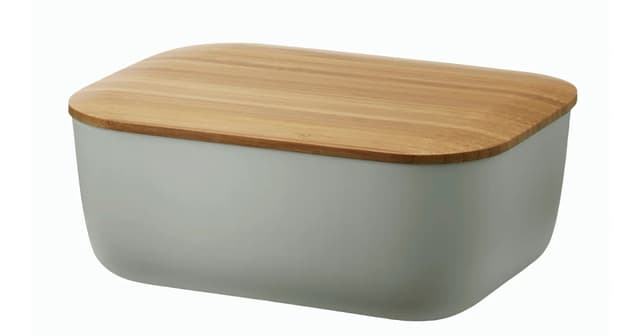
October cooking is slower and darker, and seasoning is the last decision in it. Ten Nordic pieces for salt, pepper, oil and butter.
Read More →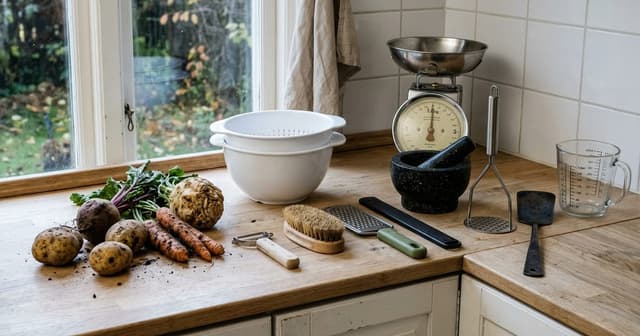
October fills the vegetable drawer with things that grew in the dark. Ten Nordic kitchen tools for scrubbing, peeling, grating and mashing them.
Read More →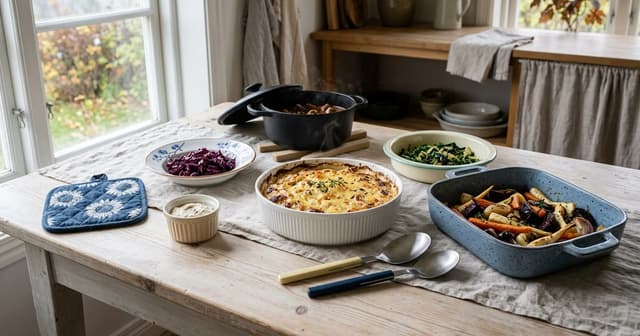
In October the oven goes back on and stays on until spring. Ten Nordic dishes, a cast iron pot, and the pieces that get them to the table.
Read More →