
The Nordic Windowsill: 10 Pots for Plants Coming Indoors
In October the plants come in and the windowsill becomes the brightest place in the flat. Ten Nordic pots for the next six months.
Read More →The lamps are on by five and the walls come into view. Ten Nordic pieces to hang this month: a mirror, three prints, two shelves, a clock, a pinboard and a hook.
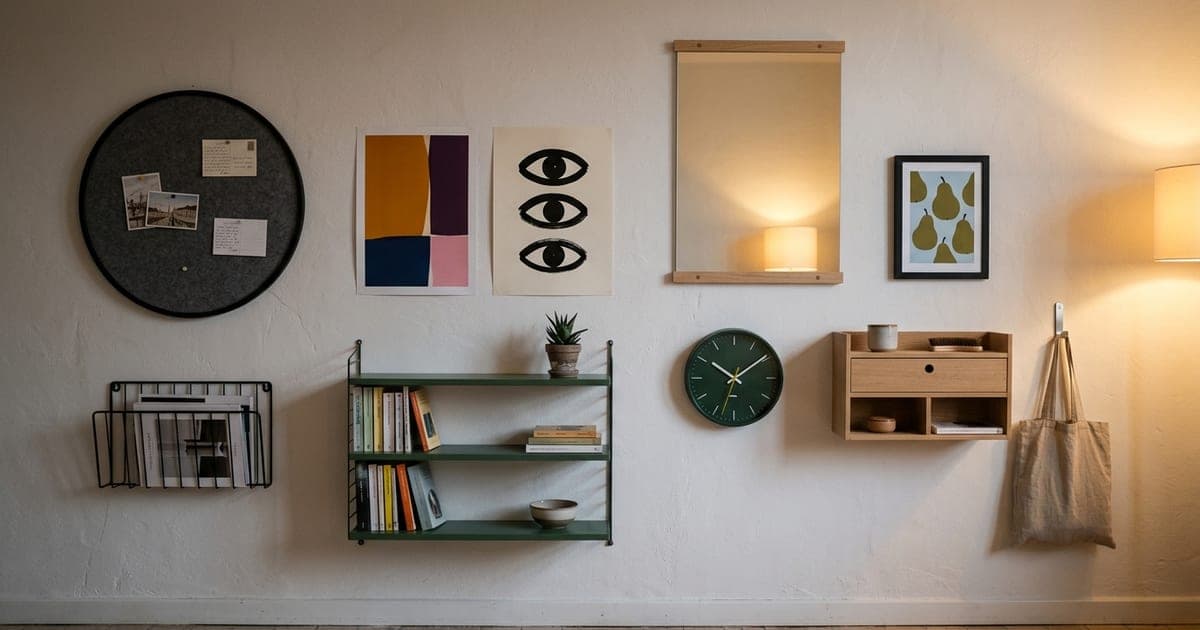
The lamps go on at five now, and at the end of the month the clocks go back and take another hour with them. From here until spring, the room you look at is a room lit from the inside, which means the walls stop being background. The patch above the sofa, the strip beside the door, the space over the radiator that has been empty since you moved in: in October you see all of it.
Nordic homes treat a wall as a surface with a job, not a gallery. Something to move the light around, one or two things worth looking at, and the rest earning its place by holding up the objects that would otherwise be on the floor. The ten pieces below do exactly that, from a mirror hung to catch a lamp to a single steel hook by the door. All of them are in stock in the UK, Germany, Norway and Denmark, and every one can be compared on price on ScandiDeals.
⸻
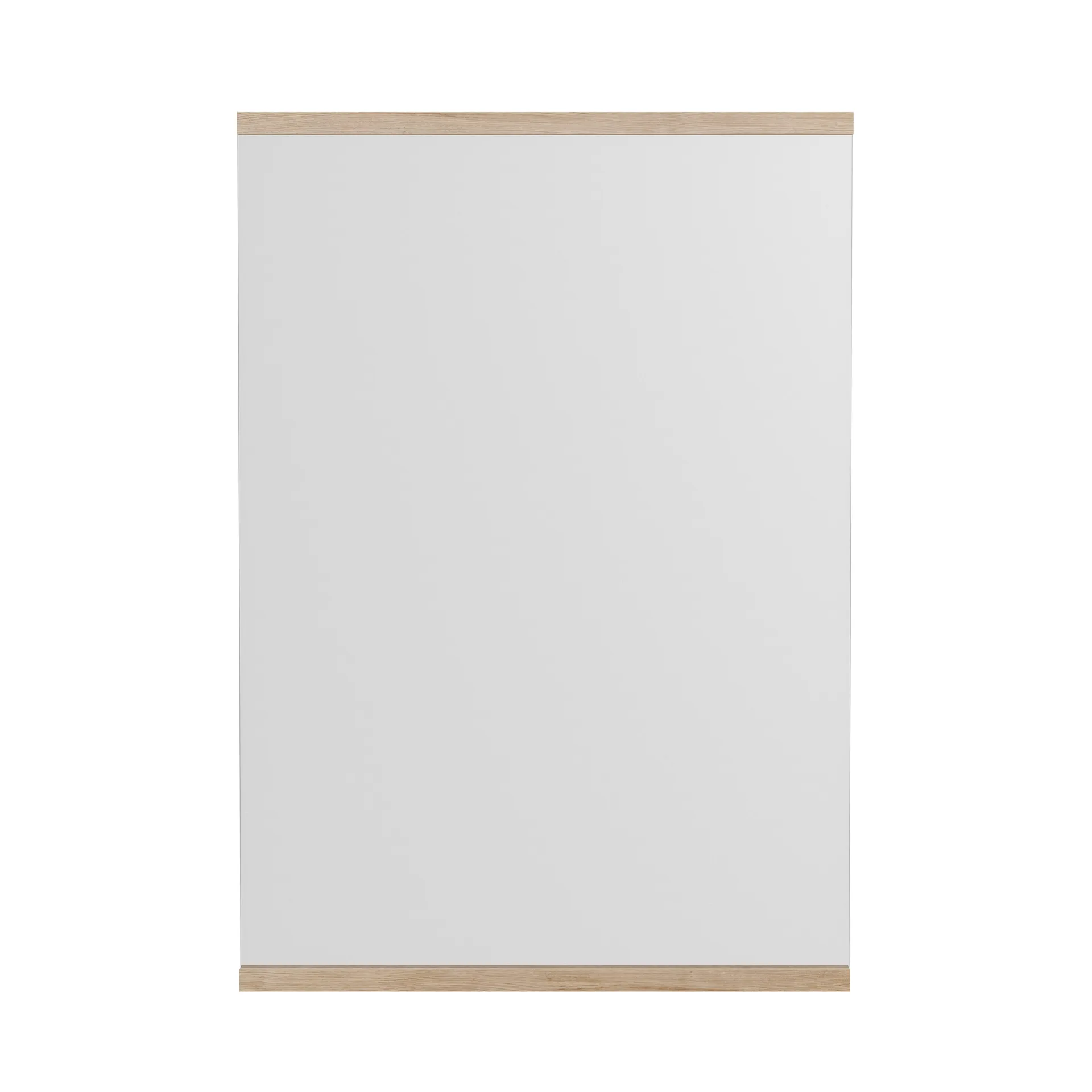
The glass is held between two oak battens, one at the top and one at the bottom, and the long sides are left bare. There is no frame to read as furniture, so what you see is a clean sheet of reflection, 50 by 70 centimetres. Hang it on the wall opposite a window and it returns what little daylight there is; hang it beside a table lamp and it doubles the lamp. The Rectangular mirror works as well in a hallway as over a chest of drawers.
⸻
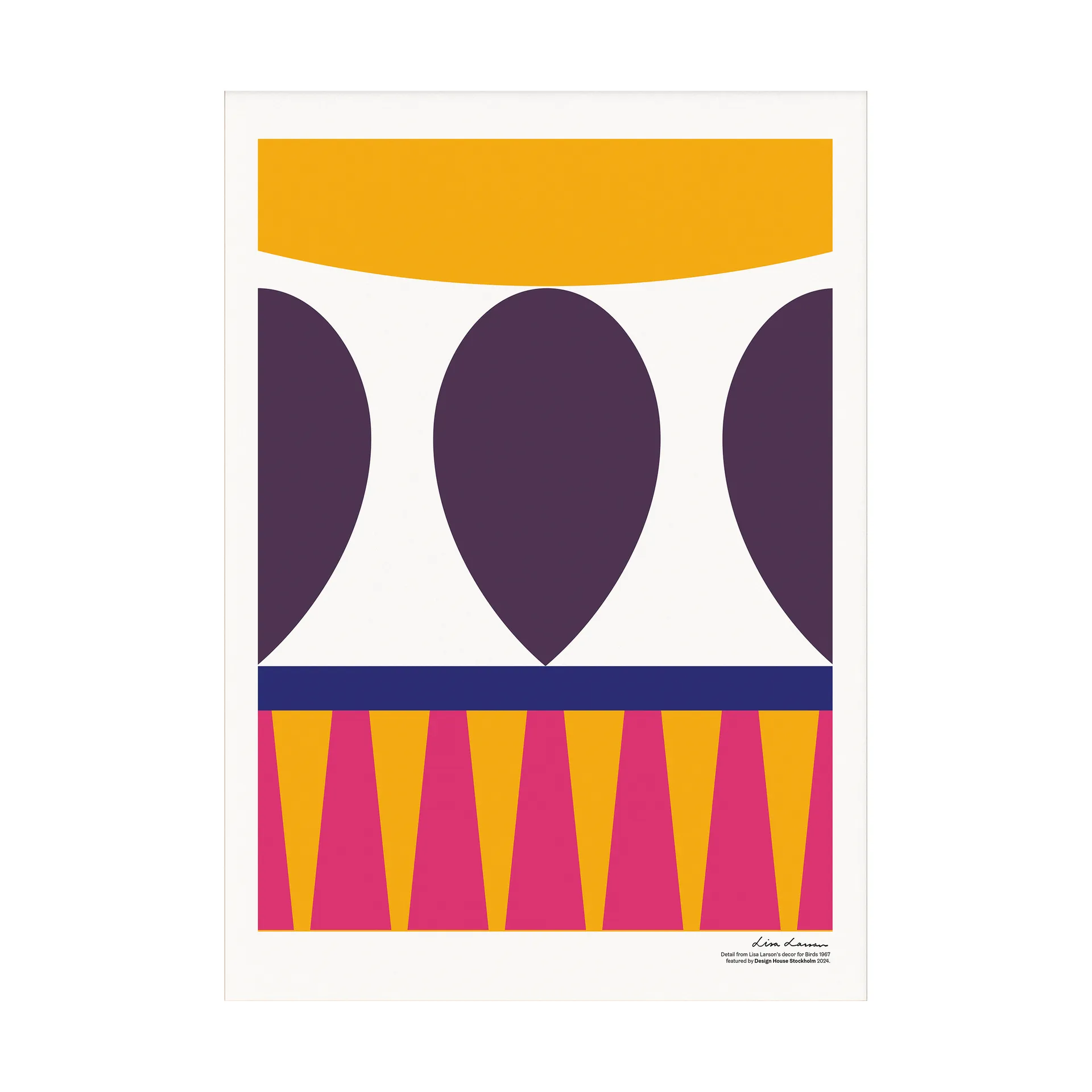
A 50 by 70 print that reproduces a detail of Lisa Larson's décor for Birds, dated 1967 in the margin: a band of amber across the top, three aubergine teardrops below it, a navy stripe, then a row of pink and yellow triangles at the foot. There is nothing tentative about it. One sheet like the Birds print at eye level does more for a white wall in November than three polite ones, and it gives a grey room a colour to answer to.
⸻
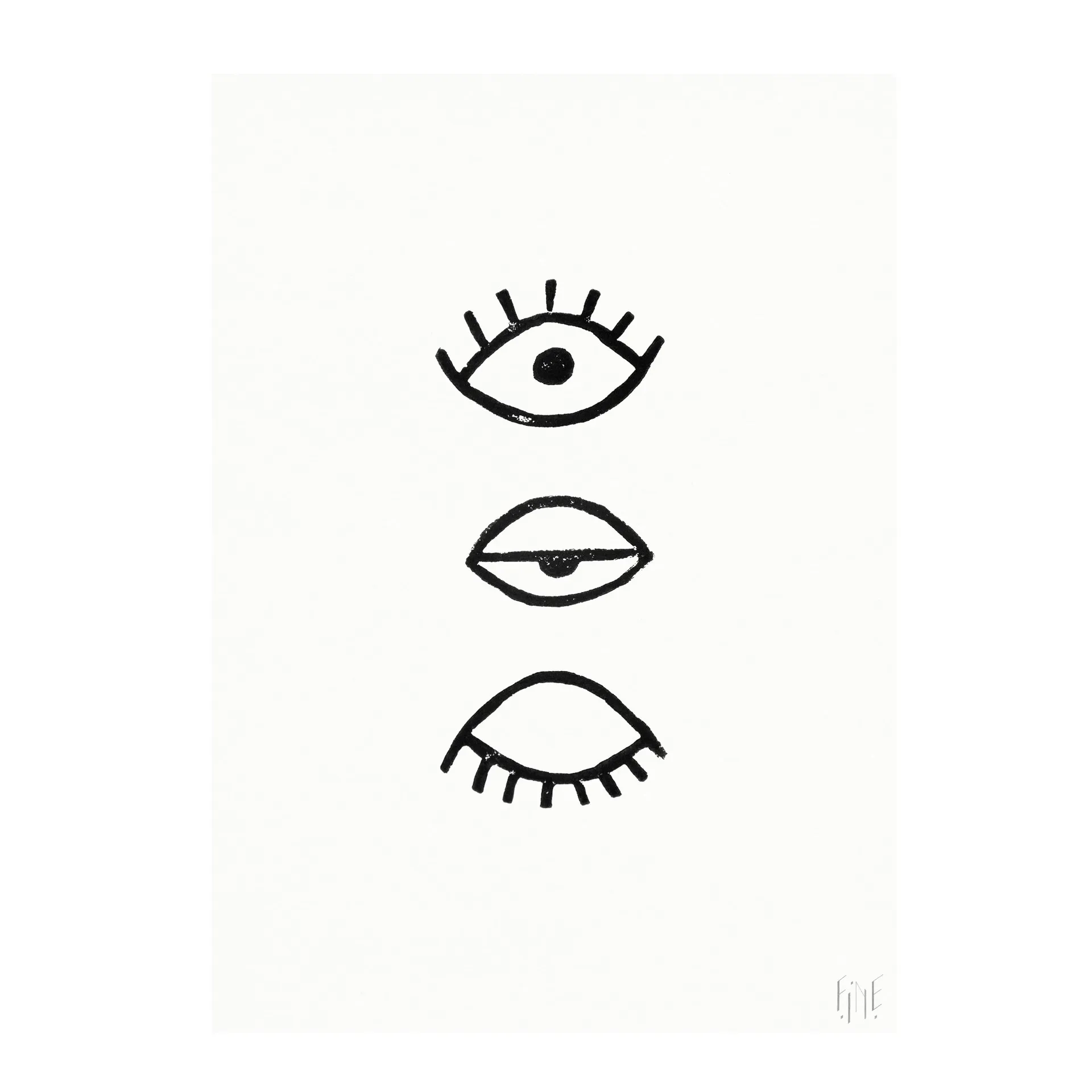
Three eyes drawn in thick black brush strokes, stacked down an off-white sheet: open, half closed, shut. The paper is left to do most of the work, which is why it sits easily next to something loud. Eye Eye is the Swedish studio's graphic shorthand, printed at 50 by 70 like the Birds poster, so the two hang as a pair with the same frame and the same spacing. It is also the cheapest decision on this list.
⸻
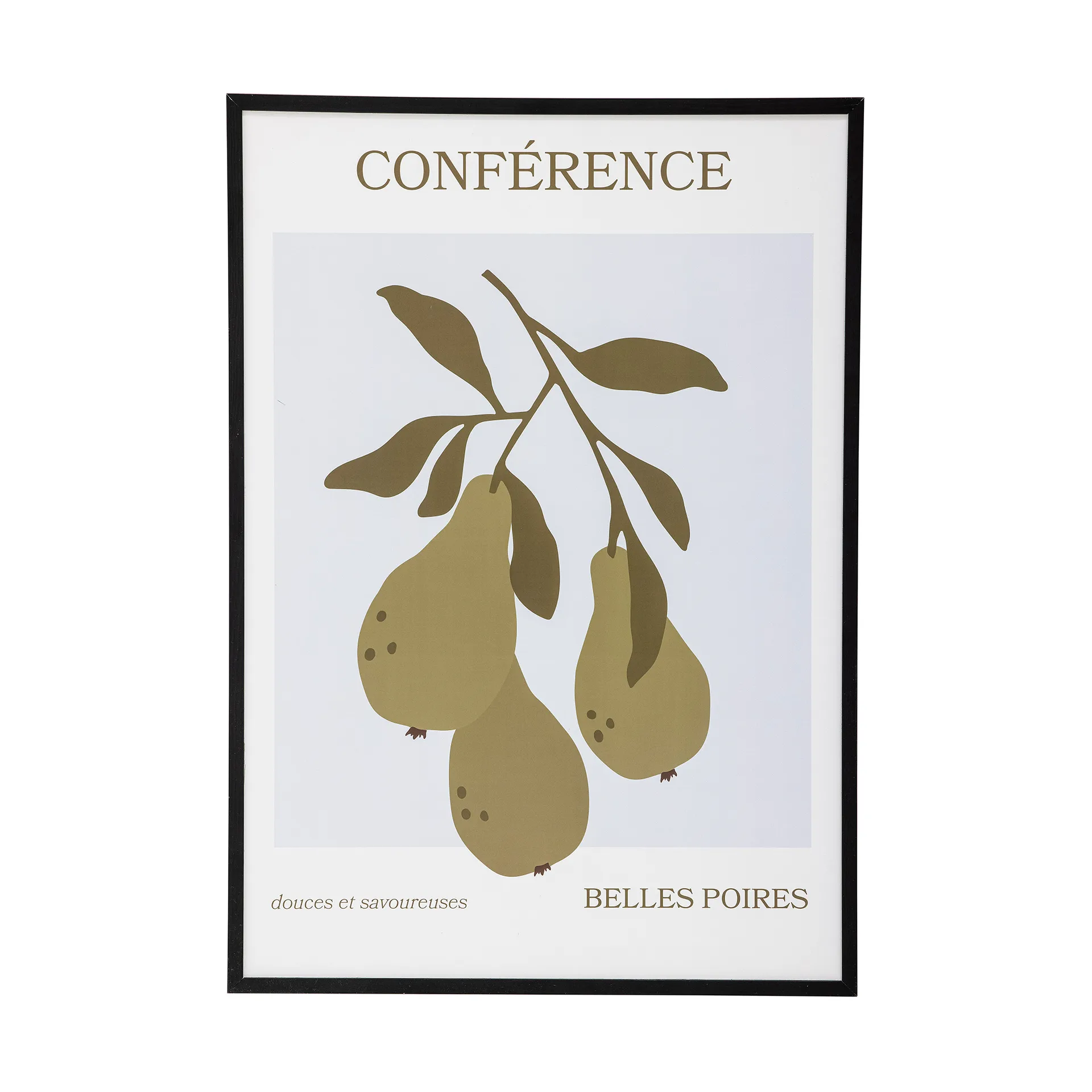
Most prints spend their first winter in the tube, waiting for a trip to the framer. This one arrives in a black pine frame, 52 by 72 centimetres, with a white mount already cut. Inside it, three olive Conférence pears hang from a branch against pale blue, the variety named across the top in capitals. The Poire poster belongs in a kitchen or a dining corner, where a still life of fruit has always made sense.
⸻
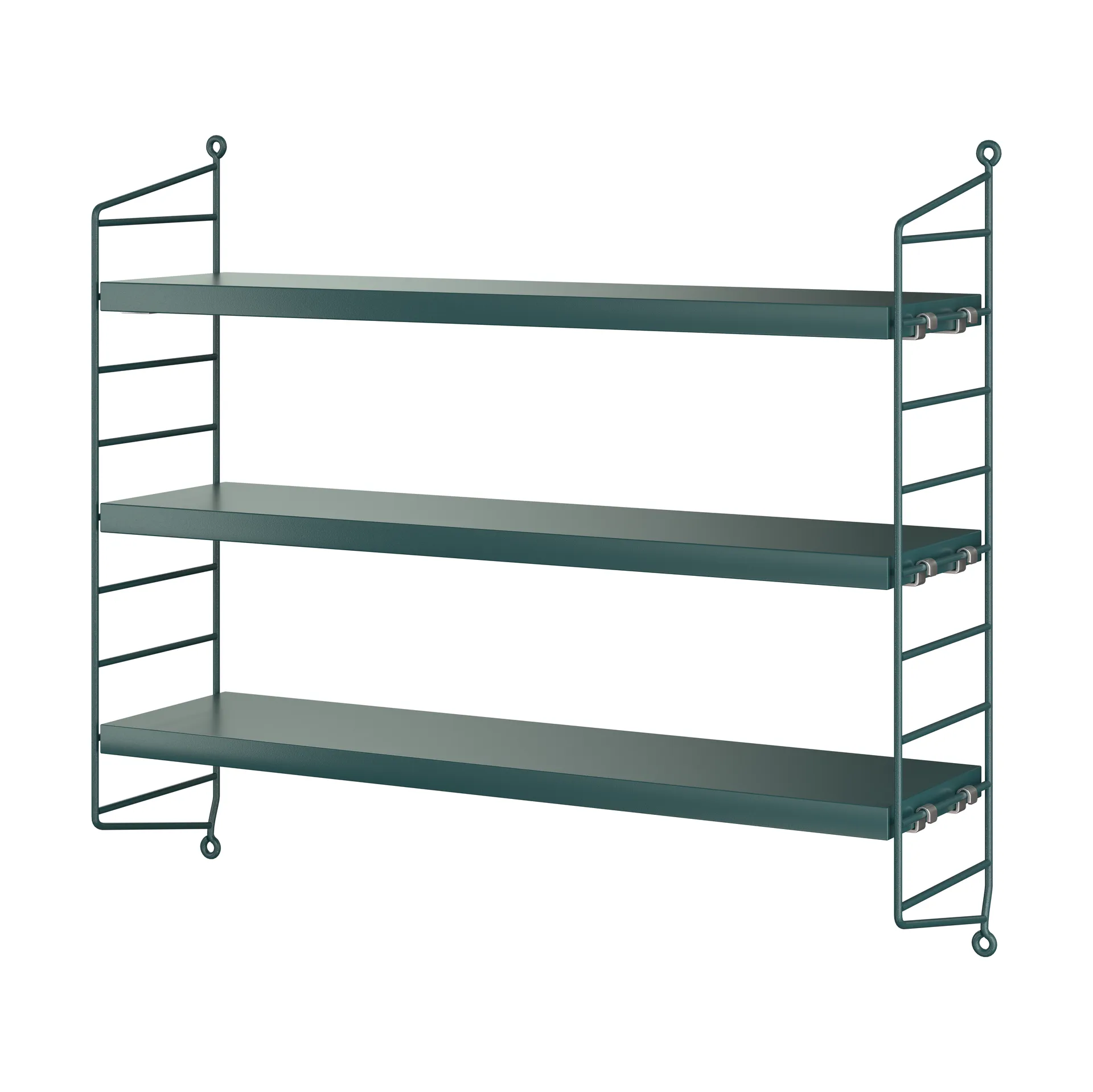
The small member of a Swedish shelving system that has been made for decades: three narrow shelves carried on a pair of wire side panels, finished here in a deep Tegnér green from shelf to wire. It holds a row of paperbacks, a radio and a small plant without touching the floor, which is the whole point in a flat where the floor is already spoken for. String Pocket goes up with four screws.
⸻
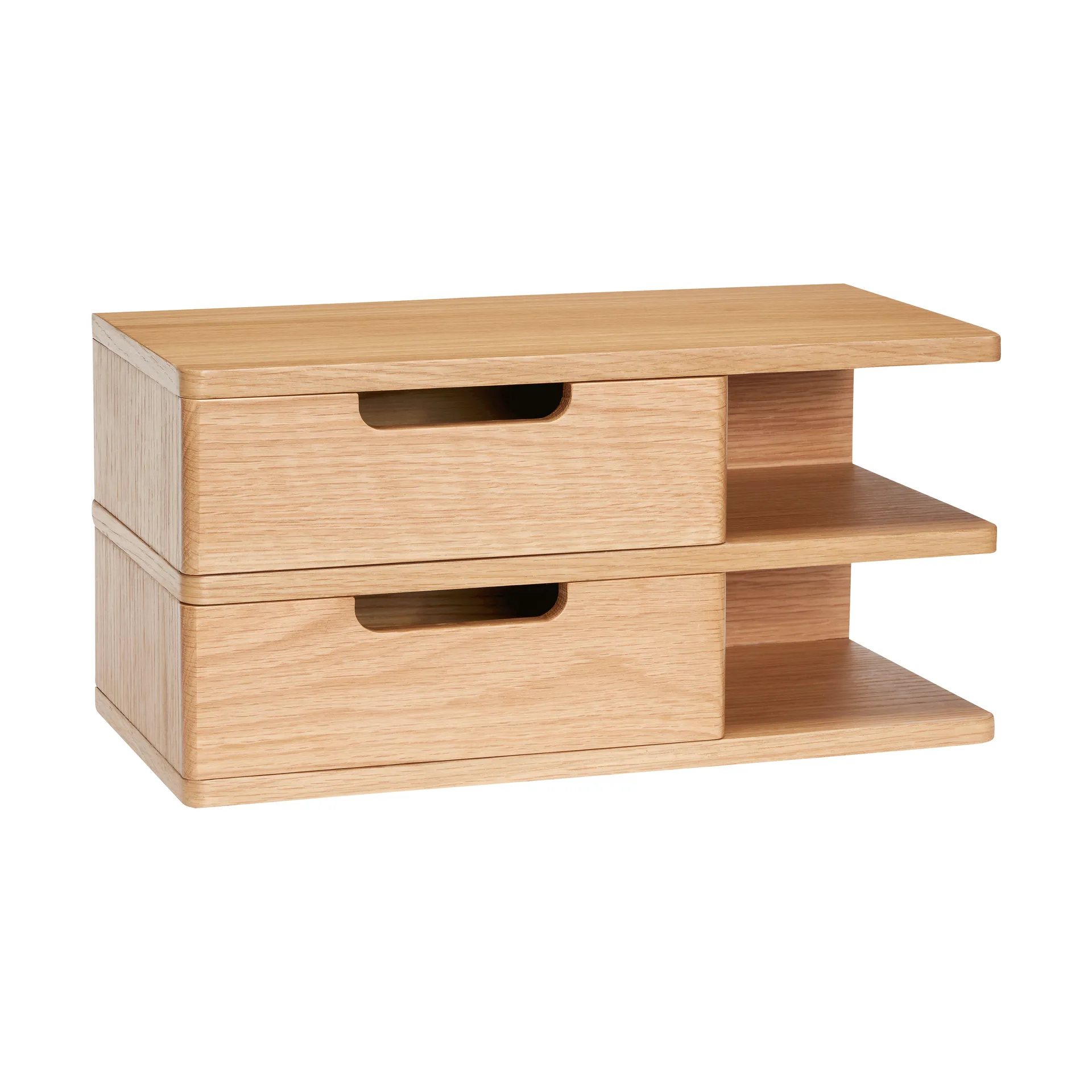
Oak, wall-hung, with a drawer cut for finger pulls instead of handles and open compartments beside it. Hang it at bedside height and it replaces a bedside table: the book goes on top, the reading glasses and the charger go in the drawer, and the floor underneath stays clear for the vacuum. The Open shelf does the same job by a front door, where keys and post need somewhere that is not the kitchen table.
⸻
A dark green dial, 26.5 centimetres across, with white minute marks all the way round and even numbers only. At the top, where a clock usually says twelve, this one says nought, which is the kind of small joke that stays funny because it is also correct. White hands, a yellow second hand. The Wall Clock belongs in a kitchen, where the phone is sticky and the oven timer is already counting something else.

⸻
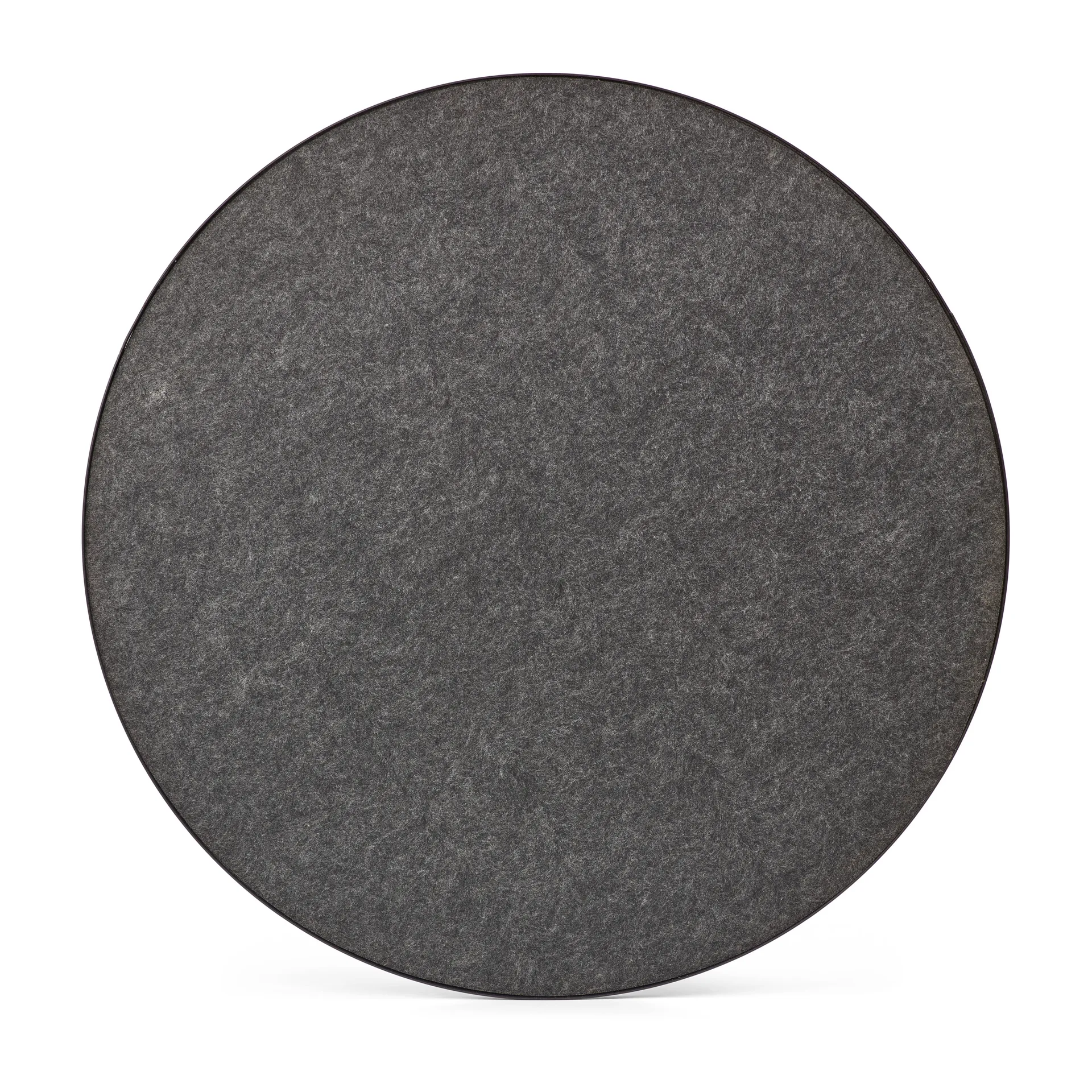
A disc of dark grey felt, 80 centimetres across, edged in a slim black rim. Pins go in anywhere, so the postcards, the school letter and the photograph from the summer can move around all winter without a single nail in the plaster. The felt takes the edge off the noise in a room of hard surfaces, which is the quiet second job the Retell pinboard does above a desk.
⸻
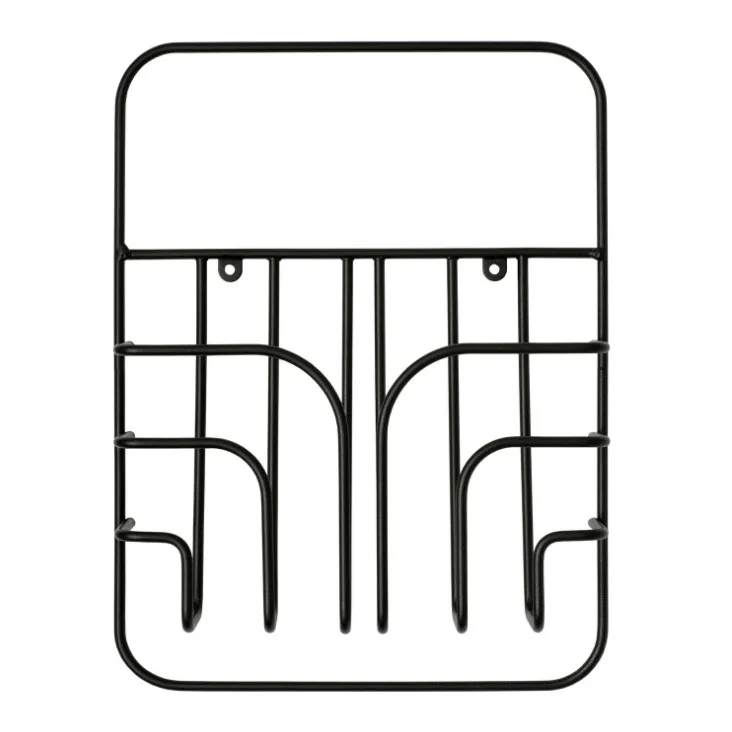
Black steel rod, bent into a rounded frame with a run of hooked wires across it, so magazines and the weekend paper sit in shallow pockets rather than in a pile. It is flat enough for a narrow hall and strong enough for the heavy Saturday edition. The Now S rack comes from a Swedish maker that has built its catalogue out of bent steel, and it reads as a drawing on the wall when it is empty.
⸻
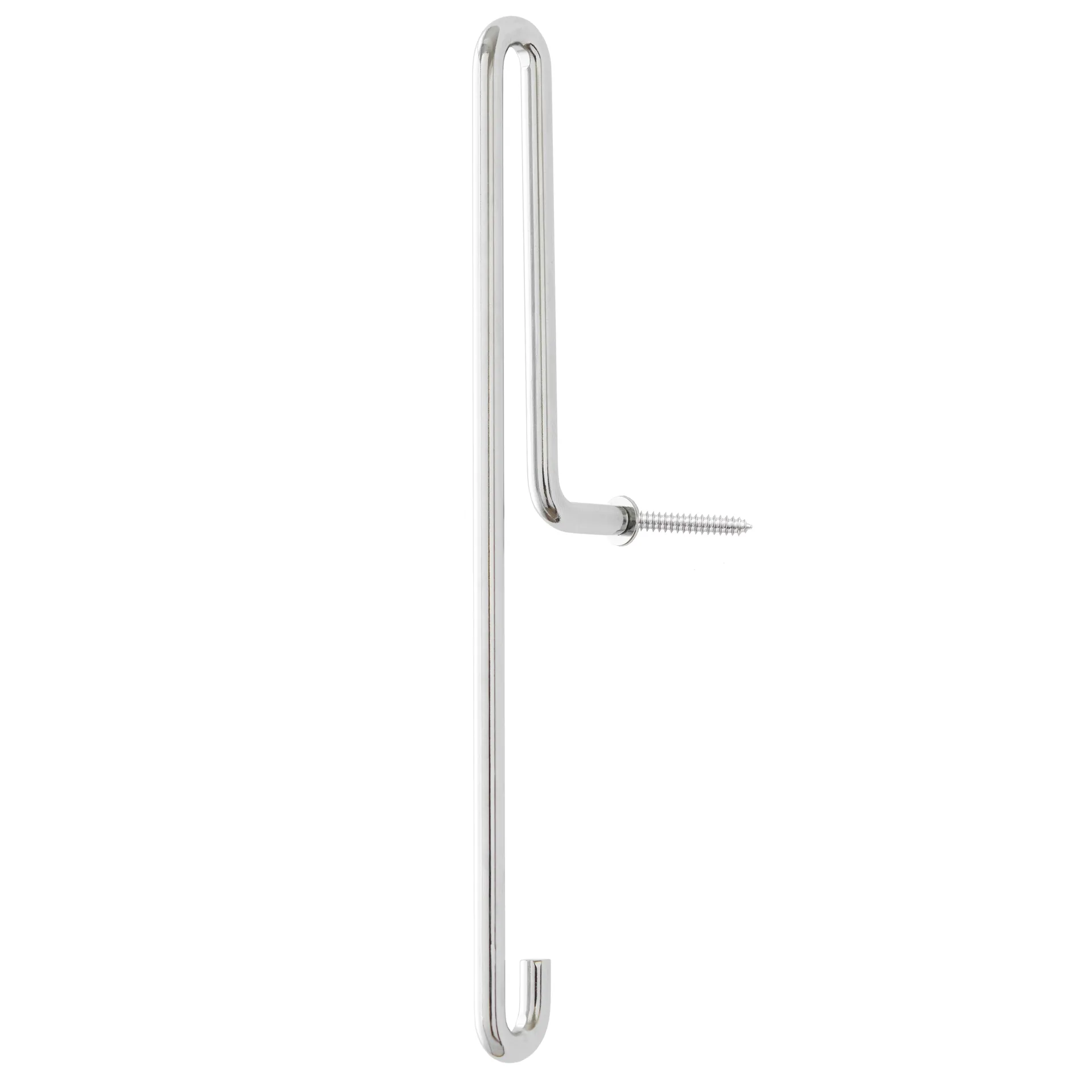
A single length of polished stainless steel, bent into a long hook and fixed with one screw through the bend, so it lies almost flat against the plaster. The tail runs down the wall and turns up at the end, which is what stops a bag strap sliding off. The Wall hook takes a coat by the door, a towel in a bathroom or a tote under the Open shelf, and it costs less than a takeaway.
⸻
Walls are where restraint pays fastest. One mirror placed to catch a lamp, two or three prints at a height you actually look at, and a shelf that takes the floor's work: that is a finished wall, and it costs less than a chair. Hang pictures so the centre sits about a metre and a half up, lower if they are going above a sofa, and leave more empty wall than feels right. The emptiness is what makes the hung things read.
The other argument for buying slowly is that none of this wears out. Oak, steel, felt and paper under glass survive being moved from flat to flat, and a print you chose because you liked it will outlast whatever colour the walls get painted next. Prices on all ten move between the Nordic shops and across the four regions, so it is worth comparing them on ScandiDeals before the drill comes out this weekend.
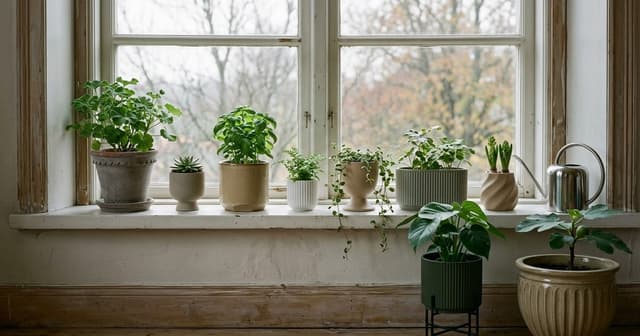
In October the plants come in and the windowsill becomes the brightest place in the flat. Ten Nordic pots for the next six months.
Read More →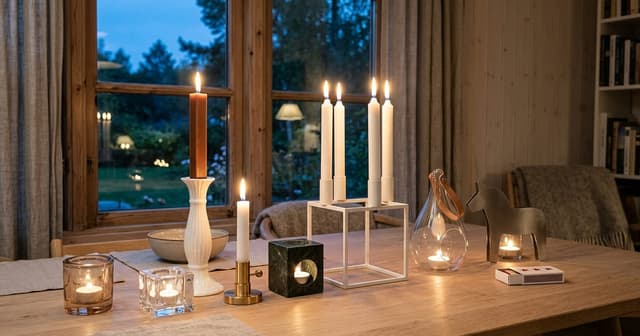
In the Nordic countries October is the month the candles come out and stay out until spring. Ten pieces in glass, brass, porcelain and steel to carry the flame.
Read More →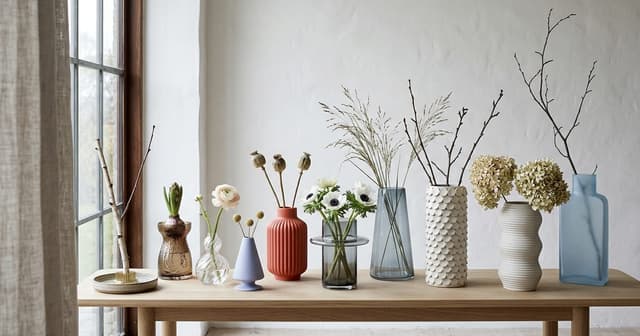
A bouquet is a Friday purchase and a Tuesday problem. Ten Nordic vessels for one stem, three stems or a branch, from a pin holder to a frosted glass tower.
Read More →